
The Powerful Benefits of Interdisciplinary Learning
The world is becoming increasingly interconnected. Modern challenges rarely belong to a single field, industry, or profession. Climate change involves science, economics, policy, and technology. Healthcare combines medicine, data analytics, psychology, and digital innovation. Business success depends on communication, technology, creativity, and strategic thinking. As society evolves, educational approaches are also changing. One of the most significant developments in modern education is the growing emphasis on interdisciplinary learning. Understanding The Powerful Benefits of Interdisciplinary Learning reveals why this approach is becoming essential for students, universities, and employers seeking future-ready talent.
For many years, education systems focused heavily on specialization. Students often concentrated on one subject area and developed expertise within a specific discipline. While specialization remains valuable, today’s complex world increasingly rewards individuals who can connect ideas across multiple fields. Interdisciplinary learning encourages students to explore relationships between different areas of knowledge, creating broader perspectives and stronger problem-solving capabilities.
The growing interest in The Powerful Benefits of Interdisciplinary Learning reflects a shift in how success is defined. Employers, educators, and industry leaders increasingly recognize that innovation often emerges when different disciplines intersect. Students who understand multiple perspectives are often better prepared to navigate uncertainty, solve complex problems, and adapt to changing career demands.
Understanding Interdisciplinary Learning
To fully appreciate The Powerful Benefits of Interdisciplinary Learning, it is important to understand what the concept means. Interdisciplinary learning involves integrating knowledge, methods, and perspectives from multiple academic disciplines to address questions, challenges, or opportunities.
Rather than viewing subjects as isolated areas of study, interdisciplinary learning encourages students to identify connections and relationships between different fields. A student studying environmental sustainability, for example, may explore science, economics, public policy, and technology simultaneously.
This approach reflects the reality of modern challenges, which rarely fit neatly within a single discipline.
Interdisciplinary learning helps students develop more comprehensive and practical understandings of complex issues.
Why Traditional Learning Models Are Evolving
One reason The Powerful Benefits of Interdisciplinary Learning are receiving increased attention is the changing nature of work and society. Traditional educational models often emphasized memorization and subject-specific expertise.
While these foundations remain important, employers increasingly seek professionals capable of collaboration, adaptability, and cross-functional thinking. Many workplace challenges require knowledge from multiple domains rather than expertise in only one area.
Educational institutions are responding by creating interdisciplinary programs that prepare students for evolving professional environments.
This evolution reflects growing recognition that future success depends on broader capabilities and integrated thinking.
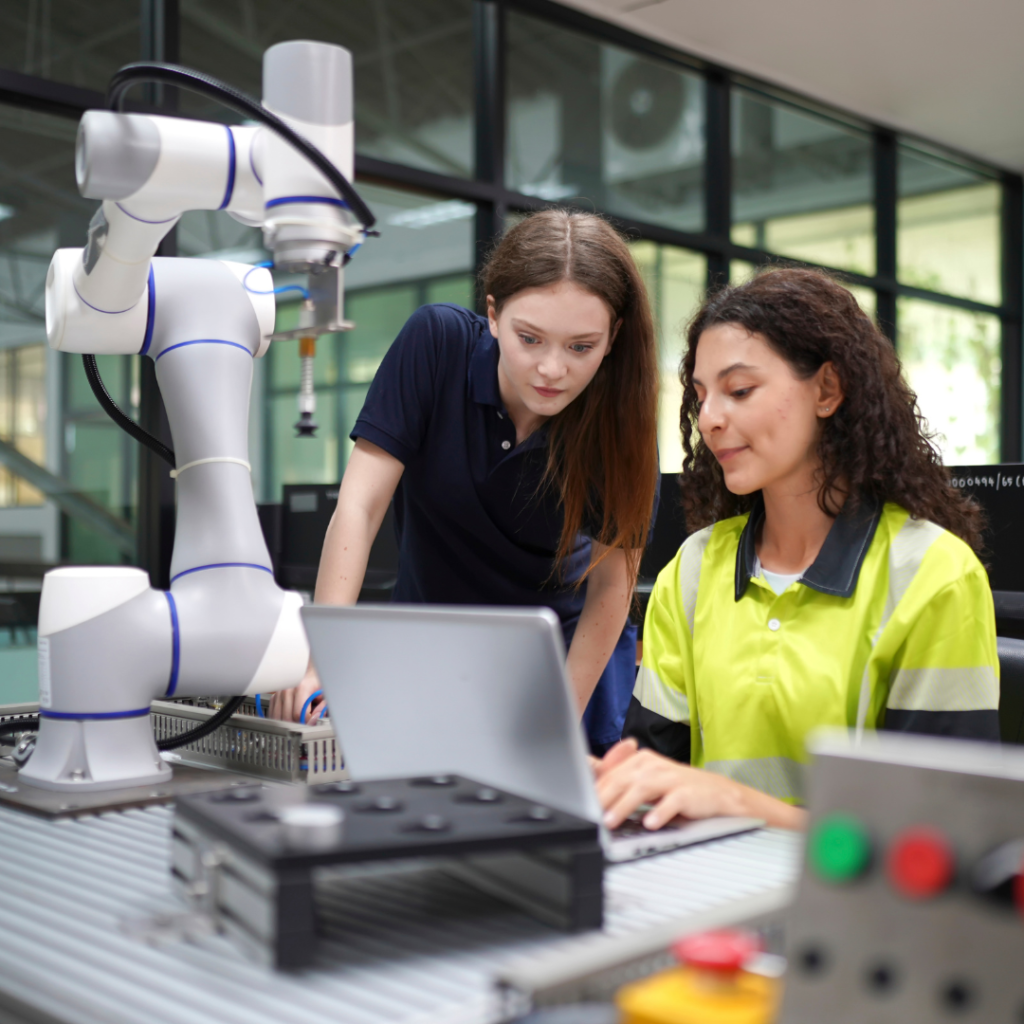
How Interdisciplinary Learning Strengthens Critical Thinking
Critical thinking is one of the most valuable examples of The Powerful Benefits of Interdisciplinary Learning. Students exposed to multiple perspectives learn to analyze issues from different angles rather than relying on a single framework.
When individuals engage with diverse disciplines, they encounter different methodologies, assumptions, and problem-solving approaches. This exposure encourages deeper analysis and more thoughtful decision-making.
Instead of accepting simple answers, interdisciplinary learners often develop the ability to evaluate complexity and consider multiple possibilities.
These skills are increasingly valuable in professional and personal contexts where challenges rarely have straightforward solutions.
The Connection Between Interdisciplinary Learning and Innovation
Innovation represents another important dimension of The Powerful Benefits of Interdisciplinary Learning. Many groundbreaking ideas emerge when concepts from different fields are combined in unexpected ways.
Technological innovations often result from collaborations between engineers, designers, psychologists, and business strategists. Medical advancements frequently involve scientists, healthcare professionals, and data specialists working together.
Interdisciplinary learning encourages students to think creatively by exposing them to diverse perspectives and knowledge areas.
This creative mindset supports innovation and helps individuals identify opportunities that others may overlook.
Why Problem-Solving Skills Improve
Problem-solving abilities are closely connected to The Powerful Benefits of Interdisciplinary Learning. Modern challenges are often complex and multifaceted.
Addressing issues such as sustainability, healthcare access, cybersecurity, or economic development requires insights from multiple disciplines. Students who engage in interdisciplinary learning develop broader toolkits for addressing these challenges.
Rather than relying on a single method, they learn to combine different approaches and adapt strategies based on context.
This flexibility strengthens both academic performance and professional effectiveness.
Preparing Students for Future Careers
Career readiness is one of the strongest arguments supporting The Powerful Benefits of Interdisciplinary Learning. The future workforce increasingly values versatility and adaptability.
Many emerging careers exist at the intersection of traditional disciplines. Examples include healthcare technology, environmental data analytics, digital marketing, educational technology, and sustainability consulting.
Students who develop interdisciplinary expertise are often better prepared for these evolving opportunities.
Employers appreciate professionals who can communicate across departments, integrate diverse perspectives, and contribute to collaborative projects.
Interdisciplinary learning helps students build these highly sought-after capabilities.
The Role of Communication in Interdisciplinary Success
Communication plays a significant role in The Powerful Benefits of Interdisciplinary Learning. Working across disciplines requires the ability to explain ideas clearly and understand different viewpoints.
Students learn how to communicate with individuals who possess different areas of expertise. This process strengthens listening skills, collaboration abilities, and interpersonal effectiveness.
Strong communication contributes to leadership potential and workplace success.
As organizations become more collaborative, communication skills continue growing in importance.

Why Interdisciplinary Learning Encourages Adaptability
Adaptability is another powerful example of The Powerful Benefits of Interdisciplinary Learning. Exposure to multiple disciplines helps students become comfortable navigating unfamiliar situations and learning new concepts.
In a rapidly changing world, the ability to adapt often determines long-term success. Industries evolve, technologies advance, and professional roles transform.
Students who have experience integrating diverse forms of knowledge tend to approach change with greater confidence and flexibility.
Adaptability supports resilience and helps individuals remain relevant in dynamic environments.
Building Confidence Through Diverse Learning Experiences
Confidence is an often-overlooked aspect of The Powerful Benefits of Interdisciplinary Learning. Students who successfully engage with different subjects frequently develop stronger self-belief and intellectual curiosity.
They learn that they can acquire knowledge beyond their initial areas of expertise. This realization encourages exploration and continuous learning.
Confidence built through interdisciplinary experiences often translates into greater willingness to pursue opportunities and tackle challenging projects.
The ability to learn across disciplines becomes a valuable source of personal and professional growth.
Why Universities Are Expanding Interdisciplinary Programs
Universities worldwide are recognizing The Powerful Benefits of Interdisciplinary Learning and increasingly incorporating interdisciplinary approaches into their curricula.
Educational institutions understand that future employers seek graduates who possess both specialized knowledge and broader capabilities. Interdisciplinary programs help bridge this gap.
These programs often encourage collaboration, experiential learning, research, and real-world problem-solving.
By breaking down traditional academic boundaries, universities help students develop more comprehensive skill sets.
This trend is likely to continue as workforce demands evolve.
Interdisciplinary Learning and Lifelong Learning
Lifelong learning is another important component of The Powerful Benefits of Interdisciplinary Learning. Students who engage with multiple disciplines often develop stronger curiosity and openness to new ideas.
Rather than viewing education as a finite process, they see learning as an ongoing journey. This mindset supports continuous development throughout careers and personal lives.
In rapidly changing industries, lifelong learning has become essential for maintaining relevance and competitiveness.
Interdisciplinary experiences help cultivate this valuable habit.
Challenges That Interdisciplinary Learning Helps Address
Many of today’s most pressing issues highlight The Powerful Benefits of Interdisciplinary Learning. Challenges such as climate change, healthcare innovation, urban development, artificial intelligence, and global economic transformation require collaborative approaches.
No single discipline can fully address these complex problems. Effective solutions often emerge through cooperation among experts with diverse backgrounds.
Students trained in interdisciplinary thinking are better prepared to contribute meaningfully to these efforts.
Their ability to connect ideas across fields becomes a significant advantage.
The Future of Interdisciplinary Education
The future of The Powerful Benefits of Interdisciplinary Learning appears exceptionally promising. Educational institutions, employers, and policymakers increasingly recognize the value of integrated knowledge and cross-functional expertise.
Future careers will likely demand combinations of technical skills, creativity, communication, analytical thinking, and adaptability. Interdisciplinary education helps students develop these competencies simultaneously.
As industries continue evolving, individuals capable of connecting ideas across disciplines will become increasingly valuable.
The future belongs to learners who can navigate complexity and embrace diverse perspectives.
Conclusion
The Powerful Benefits of Interdisciplinary Learning extend far beyond academic achievement. By integrating knowledge from multiple disciplines, students develop stronger critical thinking abilities, enhanced problem-solving skills, greater adaptability, and improved career readiness.
Interdisciplinary learning reflects the realities of a world where challenges and opportunities rarely exist within isolated boundaries. It encourages innovation, collaboration, communication, and lifelong learning while preparing students for emerging professional pathways.
As education continues evolving, interdisciplinary approaches will play an increasingly important role in shaping future-ready individuals. Students who embrace diverse perspectives and cultivate broad intellectual curiosity will be better equipped to thrive in complex environments, contribute meaningful solutions, and achieve long-term success. In an interconnected world, interdisciplinary learning is no longer simply an educational trend—it is a powerful foundation for personal growth, professional excellence, and lasting impact.