
Career Opportunities in Marine Biotechnology
The world’s oceans cover more than seventy percent of the Earth’s surface and contain an extraordinary diversity of living organisms that continue to inspire scientific discovery. From microscopic marine microorganisms to coral reefs and deep-sea ecosystems, the ocean represents an immense source of biological resources that can transform healthcare, agriculture, environmental conservation, food production, and industrial innovation. As governments, research institutions, and biotechnology companies invest more heavily in ocean-based research, Career Opportunities in Marine Biotechnology are expanding rapidly across the globe.
Marine biotechnology is an interdisciplinary field that combines marine science, biology, biotechnology, genetics, chemistry, environmental science, and engineering to develop practical solutions using marine organisms and ecosystems. The industry supports innovations in pharmaceuticals, biofuels, aquaculture, cosmetics, food technology, climate research, and sustainable resource management. Because of these expanding applications, Career Opportunities in Marine Biotechnology are becoming increasingly attractive for students who want meaningful careers that combine scientific research with real-world impact.
Understanding Marine Biotechnology
Before exploring Career Opportunities in Marine Biotechnology, it is important to understand what this field involves.
Marine biotechnology applies biological knowledge and advanced technology to study marine plants, animals, algae, bacteria, fungi, and microorganisms. Scientists investigate these organisms to develop new medicines, sustainable products, improved aquaculture techniques, and environmentally responsible technologies.
Unlike traditional biotechnology, marine biotechnology focuses specifically on the enormous biological diversity found within oceans and coastal ecosystems.
Scientific discovery begins beneath the ocean surface.
Innovation often starts with understanding nature.
Marine ecosystems provide remarkable research opportunities.
Why Marine Biotechnology Is Growing Worldwide
One of the strongest reasons behind Career Opportunities in Marine Biotechnology is the increasing global demand for sustainable solutions.
Climate change, food security, environmental protection, healthcare innovation, renewable energy, and biodiversity conservation have encouraged governments and industries to invest in marine research.
Ocean resources offer promising alternatives to conventional technologies while supporting long-term environmental responsibility.
Sustainability has become a global priority.
Scientific research drives future development.
Innovation continues creating new employment opportunities.
Marine Biotechnology Supports Healthcare Innovation
Healthcare is one of the fastest-growing sectors contributing to Career Opportunities in Marine Biotechnology.
Researchers study marine organisms to identify bioactive compounds that may contribute to developing medicines, antibiotics, antiviral therapies, anti-inflammatory treatments, and cancer research.
Marine biodiversity provides unique chemical structures rarely found in terrestrial organisms.
Medical innovation depends on continuous research.
Scientific exploration improves healthcare possibilities.
The demand for biotechnology expertise continues increasing.
Aquaculture Creates Diverse Career Opportunities
Aquaculture represents another major reason behind Career Opportunities in Marine Biotechnology.
As seafood demand grows worldwide, sustainable fish farming has become essential for reducing pressure on natural marine ecosystems.
Marine biotechnology professionals improve breeding methods, disease management, nutrition, water quality, and genetic research to support healthier aquaculture systems.
Sustainable food production strengthens global food security.
Innovation improves farming efficiency.
Healthy ecosystems support long-term economic growth.
Environmental Conservation Requires Biotechnology Experts
Environmental protection significantly strengthens Career Opportunities in Marine Biotechnology.
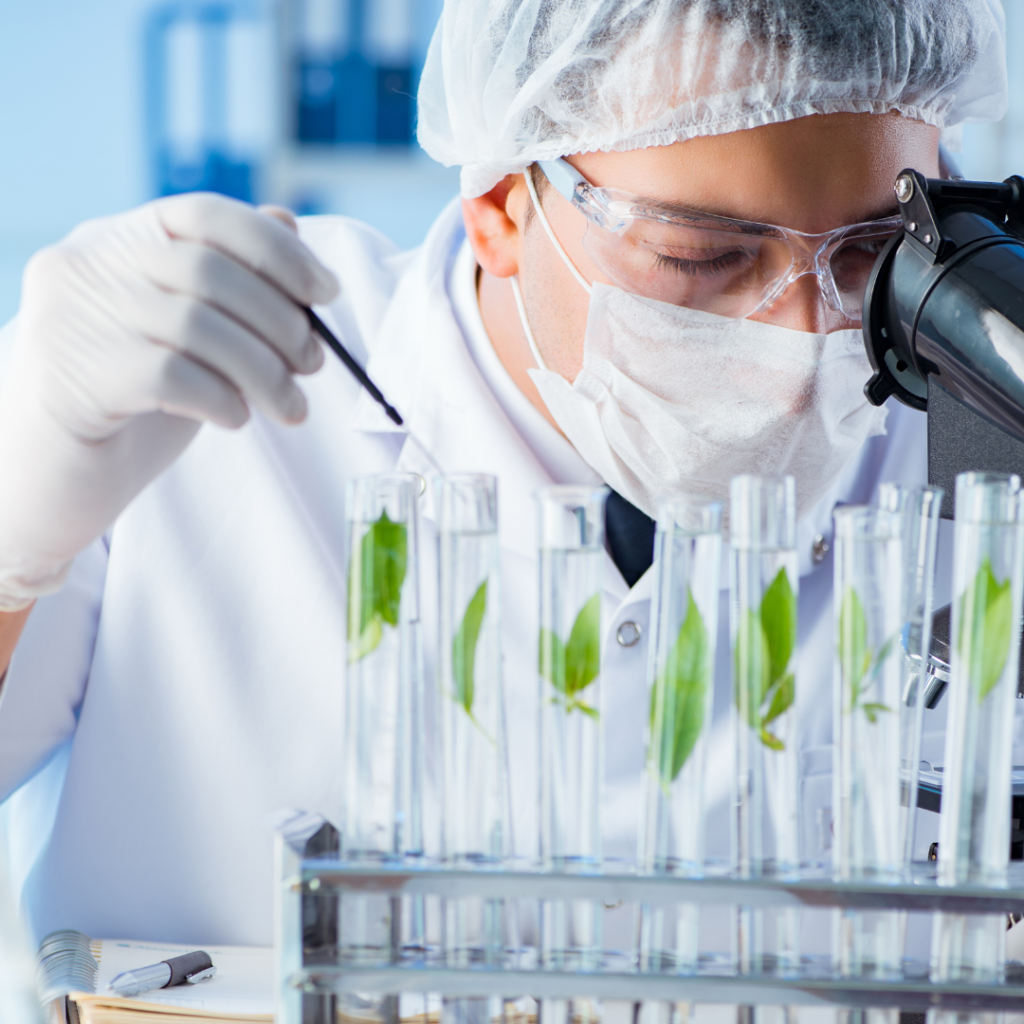
Marine scientists monitor ocean health, restore coral reefs, study marine biodiversity, reduce pollution, and develop biological solutions for protecting fragile ecosystems.
Biotechnology contributes to restoring environmental balance while preserving valuable natural resources.
Conservation supports future generations.
Healthy oceans benefit the entire planet.
Scientific responsibility drives meaningful careers.
Blue Biotechnology Is Becoming a High-Growth Sector
Blue biotechnology has become one of the most exciting areas within Career Opportunities in Marine Biotechnology.
This specialized field focuses on using marine organisms to create sustainable industrial products, pharmaceuticals, cosmetics, nutritional supplements, enzymes, and environmentally friendly materials.
Companies increasingly invest in blue biotechnology because marine resources offer enormous untapped potential.
Innovation creates competitive industries.
Research supports sustainable economic development.
Marine science continues attracting investment.
Marine Genetics Expands Research Careers
Advances in genetics have expanded Career Opportunities in Marine Biotechnology considerably.
Researchers analyze marine DNA to understand biodiversity, improve aquaculture species, identify valuable biological compounds, and support conservation efforts.
Modern genetic technologies enable scientists to explore marine life more efficiently than ever before.
Genomics accelerates scientific discovery.
Technology improves research precision.
Knowledge strengthens environmental protection.
Biotechnology Supports Renewable Energy
Renewable energy also contributes to Career Opportunities in Marine Biotechnology.
Scientists investigate algae and marine microorganisms as potential sources of biofuels and renewable energy solutions.
These sustainable alternatives may reduce dependence on fossil fuels while supporting cleaner energy production.
Innovation encourages environmental responsibility.
Renewable technologies continue evolving.
Research supports a greener future.
Pharmaceutical Companies Need Marine Researchers
Pharmaceutical research has become another important driver behind Career Opportunities in Marine Biotechnology.
Marine compounds continue attracting attention for their unique biological properties, leading to ongoing research into new therapeutic applications.
Biotechnology professionals collaborate with chemists, pharmacologists, microbiologists, and medical researchers throughout product development.
Collaboration strengthens scientific progress.
Research creates life-changing discoveries.
Healthcare innovation depends on multidisciplinary expertise.
Universities Prepare Future Marine Biotechnology Professionals
Educational institutions increasingly recognize Career Opportunities in Marine Biotechnology by offering specialized degrees in biotechnology, marine biology, environmental science, genetics, microbiology, oceanography, and bioinformatics.
Students gain valuable experience through laboratory research, coastal fieldwork, internships, and collaborative research projects.
Practical learning strengthens employability.
Education supports scientific excellence.
Continuous learning remains essential.
Technology Is Transforming Marine Research
Modern technology continues expanding Career Opportunities in Marine Biotechnology.
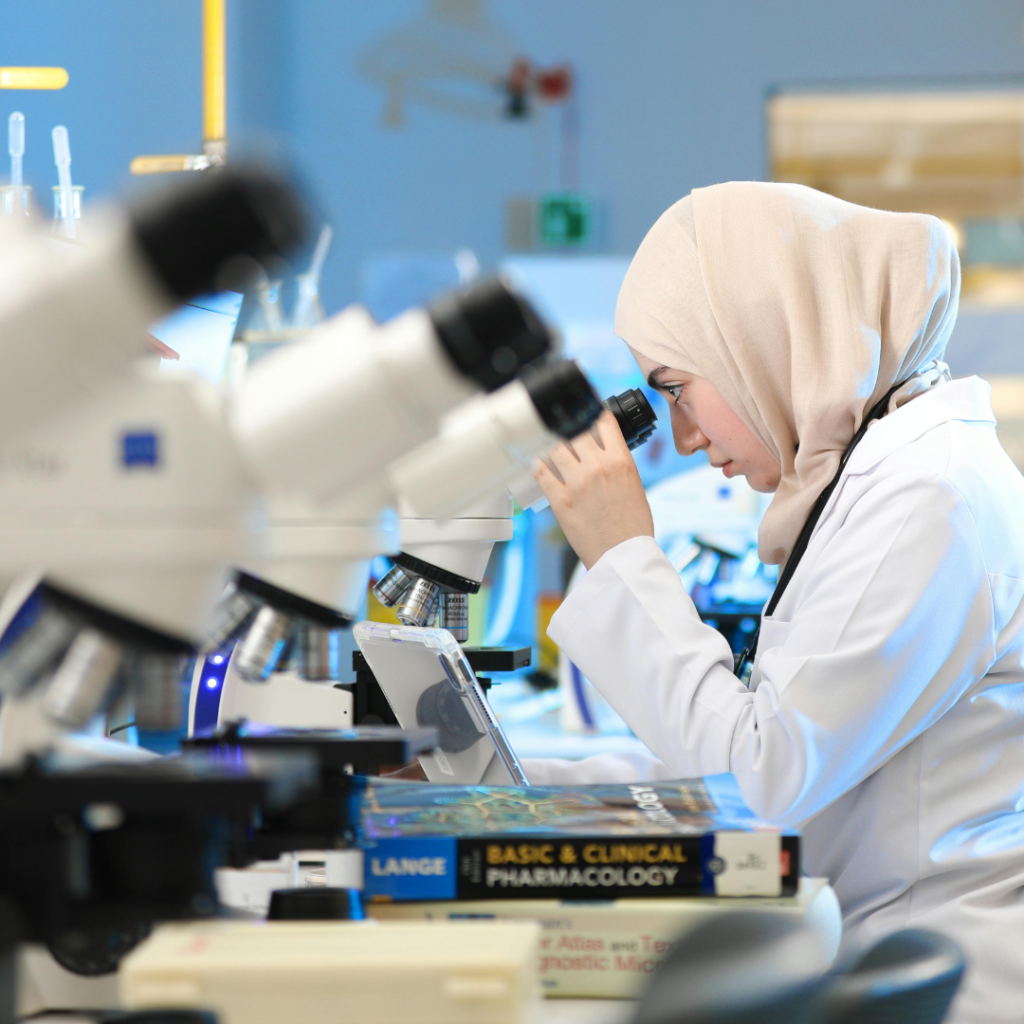
Artificial intelligence, remote sensing, underwater robotics, genomic sequencing, advanced imaging, big data analytics, and automated laboratory systems enable researchers to study marine ecosystems more efficiently.
Technology accelerates scientific understanding while improving research accuracy.
Digital innovation supports marine exploration.
Scientific tools continue advancing rapidly.
Research becomes increasingly precise.
Soft Skills Complement Scientific Expertise
Although technical knowledge is fundamental, communication and teamwork also influence Career Opportunities in Marine Biotechnology.
Researchers frequently collaborate with environmental organizations, universities, government agencies, pharmaceutical companies, engineers, policymakers, and international research teams.
Critical thinking, adaptability, analytical skills, and scientific communication strengthen professional success.
Collaboration encourages innovation.
Leadership supports career advancement.
Scientific integrity builds trust.
Challenges Facing Marine Biotechnology Professionals
While discussing Career Opportunities in Marine Biotechnology, it is important to recognize certain challenges.
Marine research often requires long-term studies, specialized equipment, field expeditions, laboratory precision, and continuous adaptation to evolving scientific methods.
Professionals must remain committed to lifelong learning while embracing technological advancements and changing environmental priorities.
Persistence strengthens scientific achievement.
Adaptability supports professional resilience.
Continuous improvement creates lasting success.
The Future of Marine Biotechnology Careers
The future of Career Opportunities in Marine Biotechnology appears exceptionally promising.
Growing investments in sustainable aquaculture, marine conservation, blue biotechnology, renewable energy, pharmaceutical innovation, climate science, biotechnology research, and ocean resource management will continue generating employment opportunities worldwide.
Future professionals may work as marine biotechnologists, marine geneticists, aquaculture specialists, environmental researchers, biotechnology consultants, marine microbiologists, pharmaceutical scientists, ocean conservation experts, laboratory researchers, biotechnology product developers, and policy advisors.
Scientific innovation continues expanding career possibilities.
The blue economy remains one of the fastest-growing global sectors.
Future employment prospects continue improving.
Conclusion
Career Opportunities in Marine Biotechnology represent one of the most exciting intersections of science, technology, sustainability, and innovation. As the world seeks environmentally responsible solutions for healthcare, food production, renewable energy, and biodiversity conservation, marine biotechnology professionals will continue playing an essential role in shaping a more sustainable future.
Students who develop expertise in biotechnology, marine science, genetics, microbiology, environmental research, data analysis, and laboratory techniques will enjoy excellent long-term career prospects across research institutions, biotechnology companies, pharmaceutical organizations, environmental agencies, and international scientific collaborations.
Marine biotechnology is far more than a research discipline—it is a gateway to solving some of the world’s most pressing environmental and healthcare challenges. As the global blue economy continues expanding, career opportunities in marine biotechnology will remain among the most rewarding and future-focused scientific professions for the next generation.