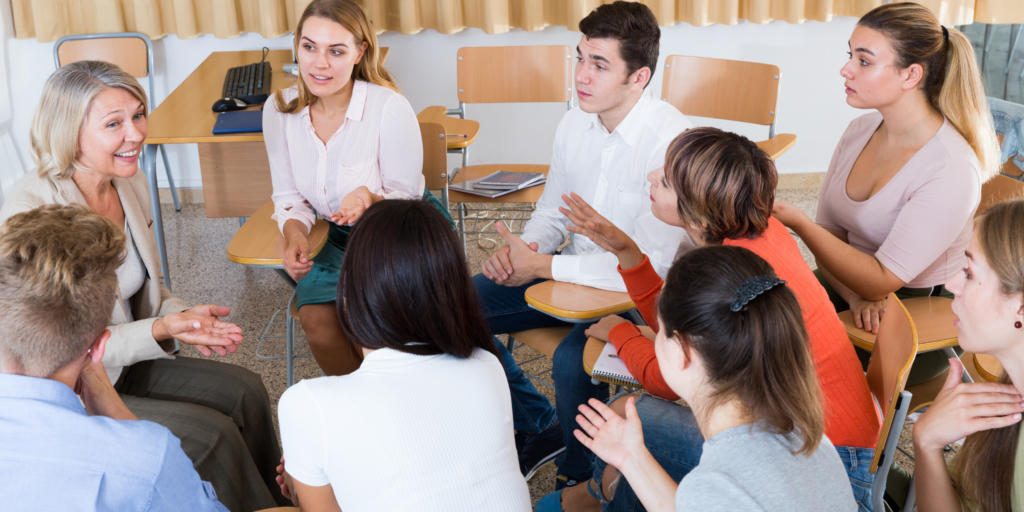
How Group Discussions Affect Placement Success
Campus placements have become one of the most important milestones in student life because they often shape future careers, financial stability, and professional growth opportunities. In today’s competitive hiring environment, companies no longer evaluate students only through academic scores or technical knowledge. Employers increasingly focus on communication ability, teamwork, leadership qualities, confidence, critical thinking, and decision-making skills before selecting candidates. Because of this major shift in recruitment strategies, group discussions have become one of the most influential stages in placement processes across colleges and universities.
In 2026, group discussion for placements is considered an essential screening method because it allows recruiters to observe how students interact within professional environments. Unlike written tests or technical interviews, group discussions reveal personality traits, emotional intelligence, listening habits, confidence levels, and problem-solving abilities in real-time situations.
Modern employers prefer candidates who can communicate ideas clearly, work effectively in teams, handle workplace pressure, and contribute positively during collaborative tasks. Group discussions therefore help companies identify students who possess strong professional skills beyond theoretical knowledge.
Students often feel emotionally nervous before participating in placement group discussions because the environment feels competitive and highly judgment-based. Fear of speaking publicly, language barriers, hesitation, low confidence, and lack of preparation commonly affect performance during GD rounds.
At the same time, group discussions also create valuable opportunities for students to demonstrate leadership, analytical thinking, adaptability, and communication strength. Candidates who perform well in GD rounds often leave a strong impression on recruiters even before technical interviews begin.
Group Discussions Evaluate Communication Skills
One of the biggest reasons why group discussions affect placement success is because recruiters closely evaluate communication ability during these sessions.
Companies today prefer employees who can express ideas clearly, interact professionally with colleagues, and communicate effectively during meetings, presentations, and team discussions.
Communication skills for placements therefore play a critical role in determining employability.
During group discussions, recruiters observe vocabulary usage, fluency, listening habits, sentence clarity, confidence, and overall conversational ability.
Students who communicate calmly and confidently often create stronger professional impressions compared to candidates who struggle to organize thoughts effectively.
At the same time, students who dominate conversations aggressively without respecting others may create negative impressions despite strong speaking ability.
Group Discussions Reveal Leadership Qualities
Leadership skills in group discussions strongly influence placement outcomes because employers seek candidates capable of guiding teams and handling responsibilities professionally.
Students who initiate discussions thoughtfully, maintain balanced participation, encourage quieter members, and help organize conversations often display natural leadership qualities.
Recruiters appreciate candidates who demonstrate maturity, responsibility, and collaborative thinking during GD rounds.
Leadership in group discussions does not mean speaking continuously or controlling the conversation aggressively. Instead, effective leadership involves managing discussions respectfully while maintaining positive group interaction.
Students with balanced leadership behavior usually appear more employable because modern workplaces value teamwork-oriented leadership styles.
However, overconfidence or dominating behavior may negatively affect recruiter perception during group discussions.
Teamwork Skills Matter in Placement Success
Modern workplaces depend heavily on collaboration, making teamwork skills for placements extremely important.
Group discussions help recruiters understand whether students can work cooperatively within diverse professional environments.
Students who listen carefully, respect different viewpoints, support constructive conversation, and contribute meaningfully often demonstrate strong teamwork abilities.
Employers generally avoid candidates who interrupt constantly, ignore others’ opinions, or create conflict unnecessarily during discussions.
Campus placement group discussion rounds therefore help organizations identify candidates capable of maintaining healthy workplace relationships.
Students who balance confidence with respectful communication usually perform better during collaborative evaluation processes.
At the same time, shy students may sometimes struggle to participate actively despite possessing strong analytical skills.
Confidence Strongly Influences Recruiter Impressions
Confidence remains one of the most noticeable qualities recruiters observe during group discussions.
Students who speak confidently often appear more prepared, professional, and emotionally stable during placement processes.
Confidence helps candidates express opinions clearly without excessive hesitation or nervousness.
Placement success strategies increasingly focus on improving speaking confidence because employers value candidates who can represent organizations effectively in professional situations.
Students with healthy confidence levels usually perform better during interviews, client interactions, presentations, and workplace discussions later in their careers.
However, nervousness remains common among students facing placement pressure, especially those uncomfortable with public speaking environments.
Critical Thinking Improves Group Discussion Performance
Modern employers increasingly value analytical thinking and problem-solving ability during recruitment processes.
Group discussions often involve current affairs, business topics, social issues, technology trends, career development themes, or abstract concepts designed to test students’ thinking patterns.
Students who analyze topics logically and provide structured opinions often create positive impressions during GD rounds.
Critical thinking skills help candidates contribute meaningful insights instead of speaking randomly or repeating common ideas.
Placement preparation tips therefore increasingly encourage students to stay informed about industry trends, current events, and social developments.
At the same time, lack of awareness regarding discussion topics may create hesitation and reduce participation confidence.

Listening Skills Are Equally Important
Many students believe group discussions are only about speaking continuously. However, recruiters also evaluate listening ability carefully.
Professional workplaces require employees who can understand instructions, respect colleagues’ opinions, and engage in meaningful conversations.
Students who listen actively and respond thoughtfully often appear more emotionally mature and collaborative.
Good listening behavior also improves conversation flow because students can build stronger arguments by understanding previous points discussed within the group.
Group discussion importance therefore extends beyond speaking fluency alone.
However, some candidates focus so heavily on preparing their own responses that they stop paying attention to ongoing conversation dynamics.
Group Discussions Test Emotional Stability
Placement environments naturally create emotional pressure among students because career opportunities often feel highly competitive and uncertain.
Recruiters use group discussions to observe how students behave under stressful situations.
Candidates who remain calm, patient, and respectful during disagreements usually demonstrate stronger emotional intelligence.
Students who become frustrated, defensive, or aggressive under pressure may create unfavorable impressions despite technical competence.
Soft skills for placements now include emotional control because modern organizations value professional behavior and workplace adaptability strongly.
Students with emotional balance generally handle workplace challenges more effectively after recruitment.
Language Skills Affect Placement Opportunities
Language fluency strongly influences placement outcomes, especially in industries requiring client communication, presentations, or teamwork across different regions.
Students comfortable with professional communication often participate more actively during GD rounds.
However, language barriers continue affecting many talented students, particularly those from non-English-medium educational backgrounds.
Recruiters increasingly recognize that communication ability can improve through training, but confidence issues during placements still create emotional challenges for many students.
Placement interview preparation programs now focus heavily on improving spoken communication, vocabulary usage, and conversational confidence.
At the same time, recruiters increasingly value clarity of thought and confidence more than perfect grammar alone.
Group Discussions Encourage Quick Thinking
Workplaces often require employees to respond quickly during meetings, client interactions, and problem-solving situations.
Group discussions test how effectively students organize thoughts and react spontaneously under time pressure.
Candidates who think clearly and respond logically usually appear more adaptable and professionally prepared.
Quick thinking ability also reflects confidence, awareness, and mental flexibility during unpredictable situations.
Students participating regularly in mock GD sessions often improve spontaneous speaking ability significantly.
However, excessive pressure to respond quickly may sometimes cause students to speak without proper structure or clarity.
Preparation Improves Placement Success
Many students underestimate the importance of preparation before group discussion rounds.
Successful candidates usually practice communication skills, current affairs analysis, listening habits, vocabulary improvement, and confidence-building techniques consistently before placements begin.
Placement preparation tips increasingly emphasize mock discussions, newspaper reading, business awareness, and public speaking practice because preparation reduces nervousness and improves participation quality.
Students who prepare regularly often feel more emotionally confident during campus recruitment processes.
Practice also helps students avoid filler words, hesitation, and repetitive speaking patterns during discussions.
At the same time, excessive memorization may make responses sound robotic and unnatural.
Universities Help Students Prepare for GD Rounds
Modern universities increasingly understand the importance of placement training programs.
Career development centers now organize mock group discussions, communication workshops, aptitude training, leadership activities, and personality development sessions to improve employability.
University placement support systems help students gain confidence before actual recruitment processes begin.
Professional mentors often guide students regarding body language, speaking techniques, topic analysis, and confidence-building strategies.
Students participating actively in placement preparation programs generally perform better during recruitment rounds.
However, unequal access to quality placement training still exists across educational institutions.
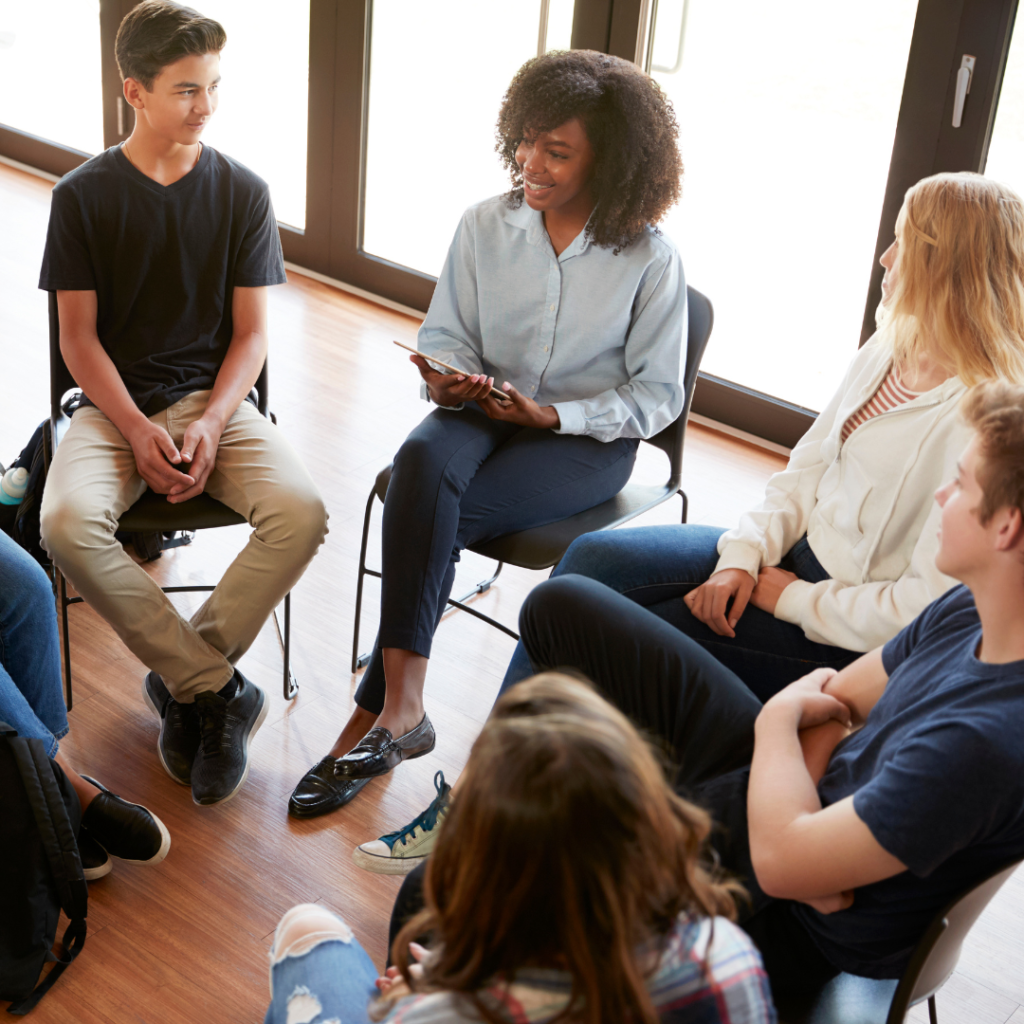
Technology and Online GD Rounds Are Growing
Digital recruitment processes have transformed placement systems significantly in recent years.
Many companies now conduct virtual group discussions through video conferencing platforms instead of traditional physical rooms.
Online GD rounds require additional skills such as digital communication confidence, camera presence, technical awareness, and virtual interaction management.
Students comfortable with online communication environments often adapt more easily to modern recruitment systems.
Technology-driven recruitment also reflects broader workplace trends influenced by remote work and digital collaboration.
At the same time, internet connectivity problems and technical issues may create additional stress during online GD rounds.
Group Discussions Build Long-Term Career Skills
The benefits of group discussions extend beyond campus placements alone.
Students who improve communication, teamwork, listening, leadership, and analytical thinking during placement preparation often carry these professional skills throughout their careers.
Modern workplaces increasingly depend on collaboration, presentations, meetings, and team discussions, making GD preparation highly valuable for long-term professional success.
Candidates who develop strong soft skills early usually adapt better to workplace responsibilities and leadership opportunities later.
Future of Group Discussions in Placements
The importance of group discussions in recruitment processes will likely continue growing because companies increasingly prioritize soft skills alongside technical knowledge.
Artificial intelligence, automation, and digital transformation are changing job roles rapidly, making communication, emotional intelligence, and collaboration more valuable than ever before.
Future placement systems may integrate AI-assisted evaluations, hybrid discussion formats, and industry-specific communication assessments to measure employability more accurately.
Students will likely need stronger interpersonal skills and adaptability to succeed in evolving professional environments.
Conclusion
How group discussions affect placement success can be understood through their strong influence on communication evaluation, leadership assessment, teamwork analysis, emotional intelligence observation, and confidence measurement during recruitment processes. Modern employers increasingly value candidates who can collaborate effectively, communicate professionally, and contribute positively within workplace environments.
Group discussions for placements therefore help recruiters identify students with practical professional qualities beyond academic performance alone.
Although many students experience nervousness, language barriers, and placement pressure during GD rounds, consistent practice, confidence-building, and communication improvement significantly increase placement success opportunities.
As industries continue evolving through technology and collaborative work culture, group discussion skills will remain one of the most important foundations for employability, career growth, and long-term professional development in 2026 and beyond.
You May Also Read
Best Work From Home Jobs in 2026: High Paying Remote Careers You Can Start Today
Best Work From Home Jobs in 2026: Flexible Careers With...
Read More
AI & Future Jobs in 2026: Careers That Will Thrive in the Digital Era
AI & Future Jobs in 2026: The Careers Shaping Tomorrow’s...
Read MoreLinkedIn Profile Tips for Job Seekers: Complete Guide to Get More Job Opportunities in 2026
LinkedIn Profile Tips for Job Seekers: How to Stand Out...
Read More