
AI & Future Jobs in 2026: The Careers Shaping Tomorrow’s Workforce
Artificial Intelligence is no longer a distant innovation reserved for science fiction movies or advanced tech laboratories. It has rapidly become a powerful force influencing industries, workplaces, and daily life across the world. From healthcare and banking to education and e-commerce, AI is changing how businesses operate and how people build their careers.
While some professionals fear job displacement, others see enormous opportunities emerging from this technological revolution. The reality lies somewhere in between. AI is eliminating repetitive and outdated tasks, but it is also opening doors to fresh, rewarding, and highly profitable career paths.
In 2026, the employment landscape looks dramatically different from just a few years ago. Companies are searching for individuals who can adapt quickly, learn modern digital skills, and work alongside intelligent technologies rather than compete against them.
This shift may appear unsettling for some workers, especially those dependent on traditional routine-based roles. However, for adaptable professionals, students, freelancers, and entrepreneurs, the future presents exciting possibilities filled with innovation, growth, and financial potential.
How AI Is Changing the Job Market
Artificial Intelligence automates repetitive work, analyzes massive amounts of data, improves productivity, and helps businesses make smarter decisions. Tasks that once required hours of manual effort can now be completed within minutes using AI-powered systems.
This transformation has created both encouraging and challenging outcomes.
Certain low-skill jobs involving repetitive operations are slowly disappearing. Data entry, simple customer support processes, and repetitive manufacturing tasks are becoming increasingly automated. This trend creates anxiety among workers who worry about career instability and shrinking opportunities.
On the other hand, AI is generating demand for new roles that did not even exist a decade ago. Businesses now require AI trainers, machine learning specialists, prompt engineers, automation consultants, cybersecurity analysts, and digital strategists.
The future does not belong solely to machines. It belongs to individuals who know how to work intelligently with technology.
Why Future Jobs Will Depend on Human Skills
Despite rapid automation, many industries still rely heavily on uniquely human abilities. Creativity, emotional intelligence, leadership, communication, ethical decision-making, and strategic thinking remain difficult for AI systems to replicate completely.
Employers increasingly value professionals who combine technical understanding with human-centered skills. This balanced expertise creates long-term career security.
Jobs involving empathy and complex human interaction are expected to remain resilient, including:
- Healthcare professionals
- Therapists and counselors
- Teachers and trainers
- Creative designers
- Marketing strategists
- Business consultants
- Human resource managers
These careers require emotional awareness and interpersonal connection that technology alone cannot fully replace.
Top AI & Future Jobs in 2026
1. AI Specialist
AI specialists develop intelligent systems that improve business operations, automate tasks, and enhance decision-making. Companies across finance, healthcare, logistics, and retail are aggressively hiring skilled AI professionals.
This role offers exceptional salary growth and global demand.
Key Skills:
- Machine learning
- Python programming
- Data analysis
- AI model training
- Problem-solving
2. Prompt Engineer
Prompt engineering has become one of the fastest-growing digital careers. These professionals create effective instructions that help AI tools produce accurate and high-quality outputs.
As businesses increasingly rely on generative AI platforms, prompt engineers are becoming essential for content creation, marketing, automation, and customer engagement.
This field is especially attractive because many professionals can enter without advanced coding knowledge.
3. Cybersecurity Analyst
As AI systems expand, cyber threats are becoming more dangerous and sophisticated. Businesses need cybersecurity experts to protect sensitive data, digital infrastructure, and online systems.
Cybersecurity remains one of the safest and most future-proof careers in the technology industry.
Growing Concerns:
- AI-powered cyberattacks
- Data privacy breaches
- Identity theft
- Financial fraud
Professionals who can defend organizations against these threats will remain highly valuable.
4. AI Ethics Consultant
AI systems can create ethical concerns involving bias, privacy, misinformation, and discrimination. Governments and corporations are increasingly investing in responsible AI practices.
AI ethics consultants help organizations build fair, transparent, and trustworthy systems.
This emerging career combines technology, law, psychology, and ethics, making it ideal for professionals with interdisciplinary interests.
5. Digital Marketing Strategist
AI has transformed online marketing, but businesses still need creative experts to build emotional brand connections and strategic campaigns.
Digital marketers who understand AI-powered tools gain a major competitive advantage.
Important Areas:
- SEO optimization
- AI content tools
- Consumer psychology
- Social media marketing
- Analytics and automation
Marketing careers continue evolving rather than disappearing.
6. Healthcare Technology Specialist
AI is revolutionizing healthcare by improving diagnostics, patient monitoring, and treatment recommendations. However, healthcare still requires compassionate professionals who can combine technology with patient care.
Future healthcare careers will blend medical expertise with digital innovation.
Remote Work and AI Careers
One of the most positive outcomes of AI-driven transformation is the rapid expansion of remote work opportunities. Companies are hiring talent globally rather than limiting recruitment to specific cities or countries.
Professionals can now build successful careers from home while working for international companies.
Popular remote AI-related jobs include:
- AI content creator
- Virtual assistant
- Data analyst
- UX designer
- Software developer
- Online tutor
- SEO specialist
This flexibility improves work-life balance while reducing commuting stress and operational costs.
However, remote work also creates intense competition. Workers who fail to upgrade their skills may struggle to remain relevant in the global marketplace.

Skills You Need for Future Jobs
The future workforce rewards adaptability more than static knowledge. Continuous learning is becoming essential for long-term career growth.
Most Valuable Future Skills:
- Artificial Intelligence basics
- Communication skills
- Critical thinking
- Creativity
- Emotional intelligence
- Coding and automation
- Data interpretation
- Leadership abilities
- Digital marketing
- Problem-solving
Professionals who ignore technological change risk falling behind in an increasingly competitive economy.
Meanwhile, individuals who embrace learning opportunities can unlock remarkable career advancement.
Industries Creating Massive Job Opportunities
AI is influencing nearly every industry, but some sectors are experiencing explosive growth.
Healthcare
AI-assisted diagnostics and digital health solutions are creating new medical technology careers.
Finance
Banks use AI for fraud detection, automation, and customer analysis.
Education
Online learning platforms require digital educators, course creators, and AI-based training experts.
E-commerce
Retail businesses rely heavily on automation, recommendation systems, and digital marketing.
Renewable Energy
Smart technology and AI systems support sustainable energy innovation.
Entertainment
AI-powered design, video editing, gaming, and virtual production continue expanding rapidly.
These industries are expected to generate millions of employment opportunities during the next decade.
Will AI Replace Human Jobs Completely?
This question generates heated debate worldwide.
The truth is that AI will replace certain repetitive tasks, but it will not eliminate the need for human talent entirely. History shows that technological revolutions often create more opportunities than they destroy.
The internet transformed industries. Smartphones reshaped communication. Social media changed marketing. Similarly, AI is restructuring work rather than ending it altogether.
Workers who resist change may experience uncertainty and career stagnation. Those who adapt, upskill, and evolve can benefit enormously from the transformation.
The future belongs to flexible thinkers rather than fearful observers.
How Students Can Prepare for Future Careers
Students entering the workforce today face a rapidly evolving environment. Traditional degrees alone may no longer guarantee career security.
To remain competitive, students should:
- Learn AI fundamentals
- Build practical digital skills
- Take online certification courses
- Develop communication abilities
- Create personal projects
- Gain freelance experience
- Stay updated with industry trends
Young professionals who start adapting early gain a significant advantage in the modern job market.
The Positive Side of AI in Employment
Although many fear automation, AI also brings substantial benefits.
Major Advantages:
- Faster productivity
- Better healthcare systems
- Flexible remote careers
- Increased business efficiency
- Personalized learning opportunities
- Safer workplaces through automation
- New entrepreneurial possibilities
AI can eliminate dangerous, exhausting, and repetitive tasks while allowing humans to focus on creativity and innovation.
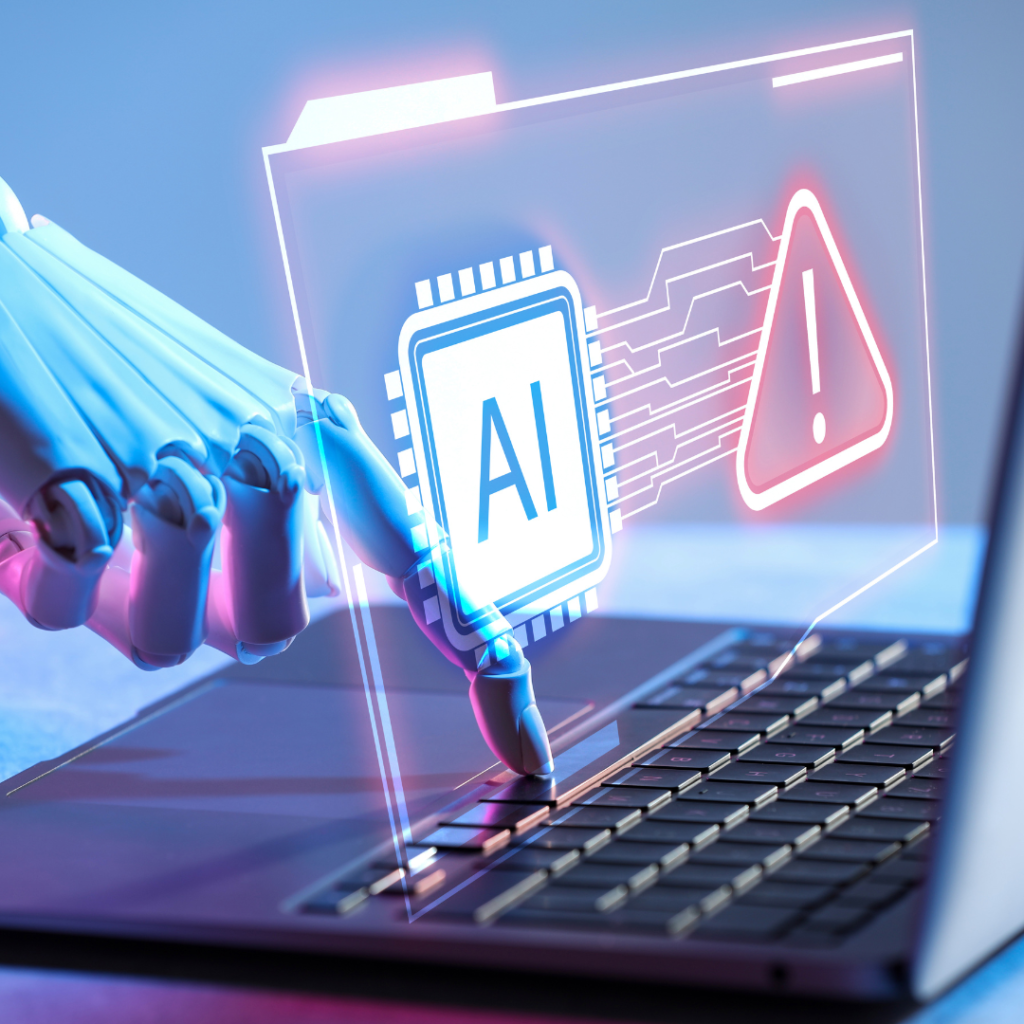
The Challenges That Cannot Be Ignored
Despite the optimism surrounding AI, certain concerns remain serious.
Key Challenges:
- Job displacement in routine sectors
- Digital inequality
- Skill gaps among workers
- Privacy risks
- Dependence on automation
- Mental stress caused by rapid change
Governments, businesses, and educational institutions must work together to ensure fair opportunities during this transition.
Ignoring these challenges could widen economic and social divisions.
Final Thoughts
Artificial Intelligence is not simply changing jobs; it is transforming the entire definition of work itself. The future workforce will reward adaptable individuals who combine technical knowledge with creativity, emotional intelligence, and strategic thinking.
While automation may remove outdated roles, it is simultaneously creating dynamic new careers filled with opportunity and innovation. The coming years may feel uncertain for workers unwilling to evolve, but for proactive learners, the future appears exceptionally promising.
Success in 2026 and beyond will depend less on traditional qualifications and more on continuous learning, digital awareness, and the ability to work effectively alongside intelligent technologies.
Instead of fearing AI, professionals should focus on understanding it, mastering relevant skills, and positioning themselves for the careers of tomorrow.
You May Also Read
Best Work From Home Jobs in 2026: High Paying Remote Careers You Can Start Today
Best Work From Home Jobs in 2026: Flexible Careers With...
Read More
AI & Future Jobs in 2026: Careers That Will Thrive in the Digital Era
AI & Future Jobs in 2026: The Careers Shaping Tomorrow’s...
Read MoreLinkedIn Profile Tips for Job Seekers: Complete Guide to Get More Job Opportunities in 2026
LinkedIn Profile Tips for Job Seekers: How to Stand Out...
Read More
Hi, this is a comment.
To get started with moderating, editing, and deleting comments, please visit the Comments screen in the dashboard.
Commenter avatars come from Gravatar.