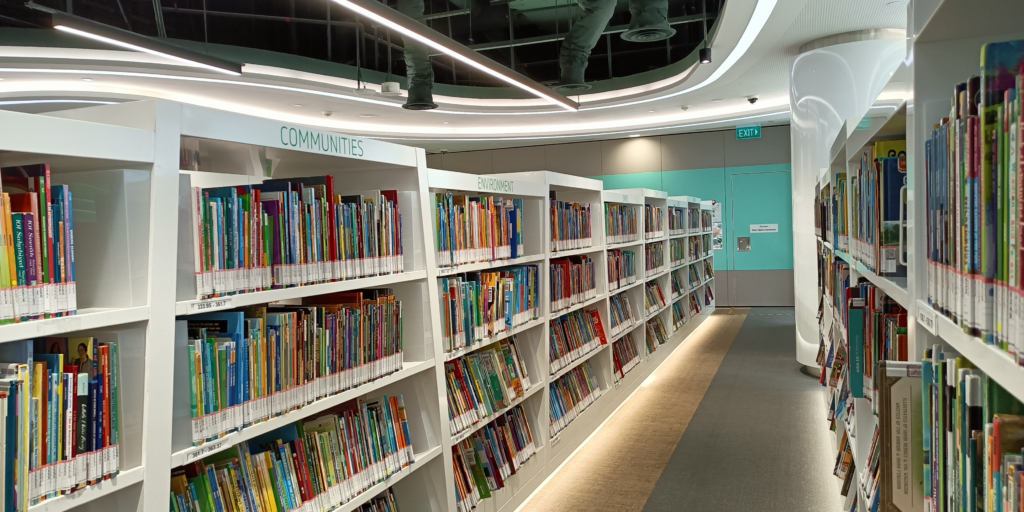
How Smart Libraries Improve Student Learning Experience
The role of libraries in education has changed enormously over the past few years. Traditional libraries were once quiet places filled mainly with printed books, wooden tables, and long shelves. While those libraries still carry educational importance, modern educational institutions are now introducing smart libraries that combine technology, digital learning systems, and interactive study environments to improve the student learning experience. In 2026, smart libraries in education are becoming powerful learning hubs where students access information faster, collaborate more efficiently, and develop future-ready academic skills.
Technology has transformed how students study, research, communicate, and complete academic work. Because of this shift, universities and schools are redesigning libraries into smart educational spaces equipped with AI-powered systems, digital databases, automated services, virtual learning resources, smart seating arrangements, and interactive educational tools. These changes are helping students learn more comfortably and productively while improving educational accessibility.
At the same time, the growing dependence on technology also creates challenges. Students sometimes become distracted by digital devices, excessive online content, and reduced physical interaction with books. Despite these concerns, the future of smart libraries continues expanding rapidly because educational institutions recognize how strongly modern learning depends on digital accessibility and intelligent learning systems.
Smart Libraries Create Faster Access to Information
One of the biggest advantages of smart libraries is the speed at which students can access educational resources. Earlier, students spent significant time searching for books manually through catalog systems and library shelves. Today, smart learning technology allows students to locate digital books, research papers, journals, videos, and educational databases within seconds.
AI-powered libraries for students now use smart search systems that help learners find highly relevant information according to subjects, keywords, and academic interests. This improves productivity because students spend less time searching and more time learning.
Digital library benefits for students also include remote access. Many smart campus libraries now allow students to access study materials from home, hostels, or classrooms through online portals and mobile applications. This flexibility supports continuous learning and improves academic convenience.
However, excessive digital dependence may occasionally reduce students’ patience for deep reading and long-form concentration.
Technology Makes Learning More Interactive
Modern smart libraries are no longer limited to silent reading spaces. They now include interactive learning environments where students engage with multimedia educational content, collaborative tools, and digital study systems.
Interactive screens, AI learning assistants, smart boards, virtual reality learning systems, and multimedia research tools make studying more engaging and visually appealing. Students often understand concepts more clearly when educational content includes animations, videos, simulations, and interactive explanations.
Technology in libraries also supports different learning styles. Some students learn better visually, while others prefer reading, listening, or practical demonstrations. Smart libraries accommodate these preferences more effectively than traditional systems.
Educational technology trends 2026 show that interactive learning increases student participation and improves academic confidence. Learners become more curious and motivated because technology transforms education into a more dynamic experience.
Still, too much screen exposure can sometimes create mental fatigue and reduced attention span among students.
Smart Libraries Improve Research Skills
Research is one of the most important parts of higher education. Smart libraries improve research quality by giving students access to advanced academic databases, digital journals, research archives, and global educational resources.
Earlier, research often depended on limited printed materials available inside physical libraries. Today, modern library systems connect students with international publications, academic articles, e-books, online thesis collections, and AI-supported research tools.
Students can now compare information from multiple trusted sources more efficiently. Smart educational systems also help learners organize notes, citations, references, and research documents digitally.
The future of smart libraries therefore supports stronger academic development because students gain broader access to information and analytical learning opportunities.
However, the overwhelming amount of online information may sometimes confuse students who lack proper research guidance.
Smart Libraries Support Personalized Learning
Personalized learning is becoming one of the strongest educational trends in modern education systems. Smart libraries improve student learning experience by offering customized recommendations based on individual interests, academic history, and learning behavior.
AI-powered library systems can recommend books, courses, research materials, and educational content relevant to specific subjects and career goals. This personalized approach improves learning efficiency because students receive resources suited to their needs.
Students preparing for competitive exams, university projects, or skill-based certifications benefit significantly from customized digital learning support.
Smart libraries in education therefore create more student-centered learning environments where individuals learn according to personal strengths and academic objectives.
At the same time, excessive reliance on automated recommendations may sometimes reduce independent exploration and critical thinking.

Smart Study Spaces Improve Productivity
Modern smart campus libraries are carefully designed to improve focus, comfort, and productivity. Unlike older library environments, smart libraries include collaborative spaces, private study cabins, digital workstations, charging stations, smart lighting systems, and ergonomic furniture.
Students today require flexible environments because academic activities involve laptops, tablets, digital collaboration, online meetings, and multimedia learning tools.
Comfortable learning spaces positively affect concentration and motivation. Many students perform better academically when they study in organized, technology-supported environments.
Interactive learning environments also encourage teamwork because students can participate in discussions, group projects, and collaborative assignments more effectively.
However, highly connected study spaces may occasionally become distracting if students misuse digital devices for entertainment instead of academic work.
AI Technology Is Transforming Libraries
Artificial intelligence is playing a major role in modern library innovation for students. AI systems now help automate book management, digital searches, recommendation systems, inventory tracking, and user assistance.
Some smart libraries use AI chatbots that answer student questions instantly, helping users locate resources or understand library services. Facial recognition systems, automated borrowing systems, and voice-enabled search tools are also becoming more common.
AI libraries for students improve efficiency because routine tasks become faster and more organized. Librarians can therefore focus more on academic support rather than administrative processes.
Technology-driven libraries also improve accessibility for students with disabilities through voice search tools, text-to-speech systems, and adaptive educational technologies.
At the same time, concerns related to privacy, data security, and excessive automation continue growing in educational environments.
Smart Libraries Encourage Independent Learning
Independent learning has become extremely important in modern education because future careers require adaptability and continuous skill development.
Smart libraries help students become self-directed learners by providing unrestricted access to educational resources anytime and anywhere. Students can learn coding, communication skills, artificial intelligence, business management, and research techniques independently through digital learning platforms.
This freedom encourages curiosity, discipline, and personal growth. Students often gain confidence when they explore subjects outside traditional classroom boundaries.
Technology in libraries therefore supports lifelong learning habits that remain valuable beyond graduation.
However, students without strong time management skills may struggle with self-discipline in flexible digital learning systems.
Digital Libraries Improve Accessibility
Accessibility is another major reason why smart libraries improve student learning experience. Traditional learning systems sometimes limited educational access because physical books were unavailable, damaged, or difficult to obtain.
Digital library systems solve many of these issues by allowing students to access thousands of educational resources instantly. Students from remote areas, smaller towns, or financially limited backgrounds can now benefit from online educational materials.
Educational institutions increasingly use cloud-based systems that support 24/7 learning access. This flexibility improves educational equality and academic convenience.
Digital accessibility also supports working students who balance education with internships or part-time jobs.
Still, internet limitations and digital inequality remain serious challenges in some regions.
Collaboration and Communication Become Easier
Modern smart libraries encourage collaboration alongside independent learning. Group study areas, digital communication systems, shared workspaces, and collaborative software tools help students interact more effectively.
Students working on research projects, presentations, and academic assignments benefit from connected learning environments where teamwork becomes easier.
Smart educational spaces therefore improve communication, creativity, and problem-solving abilities.
Students also become more comfortable participating in academic discussions when libraries provide supportive and interactive environments.
However, constant digital communication may occasionally reduce face-to-face interpersonal interaction.

Smart Libraries Prepare Students for Future Careers
Future workplaces increasingly depend on technology, digital collaboration, research ability, and information management skills. Smart libraries help students prepare for these environments by integrating technology into everyday learning.
Students using smart educational systems become more familiar with digital tools, research software, online databases, virtual communication systems, and AI-supported learning platforms.
These experiences improve career readiness because modern industries value digital literacy and adaptability alongside academic qualifications.
The future of smart libraries therefore connects directly with future career development and professional growth.
At the same time, educational institutions must ensure that technology supports learning without replacing human creativity and critical thinking.
The Future of Smart Libraries
The future of smart libraries looks highly advanced as educational technology continues evolving rapidly. Artificial intelligence, augmented reality, cloud computing, virtual learning systems, and intelligent educational platforms may completely transform learning spaces over the next decade.
Future libraries may offer immersive virtual classrooms, AI-powered academic mentoring, smart recommendation systems, and highly personalized learning experiences.
Sustainable digital infrastructure and environmentally friendly educational systems may also become more important in future library development.
As education becomes increasingly connected with technology, smart libraries will likely remain central to modern learning environments worldwide.
Conclusion
How smart libraries improve student learning experience can clearly be seen through faster information access, personalized learning systems, interactive educational technology, research support, collaborative environments, and career-focused digital resources. Smart libraries in education are transforming traditional learning into a more flexible, efficient, and student-centered experience.
Digital library benefits for students continue growing because technology allows learners to access educational resources anytime while improving research ability, productivity, and academic confidence.
Although challenges related to digital distractions, information overload, and technological dependence still exist, smart libraries remain one of the most valuable innovations in modern education systems.
As educational technology trends continue advancing in 2026 and beyond, smart libraries will likely play an even more important role in shaping future learning experiences, academic development, and career readiness for students around the world.
You May Also Read
Best Work From Home Jobs in 2026: High Paying Remote Careers You Can Start Today
Best Work From Home Jobs in 2026: Flexible Careers With...
Read More
AI & Future Jobs in 2026: Careers That Will Thrive in the Digital Era
AI & Future Jobs in 2026: The Careers Shaping Tomorrow’s...
Read MoreLinkedIn Profile Tips for Job Seekers: Complete Guide to Get More Job Opportunities in 2026
LinkedIn Profile Tips for Job Seekers: How to Stand Out...
Read More