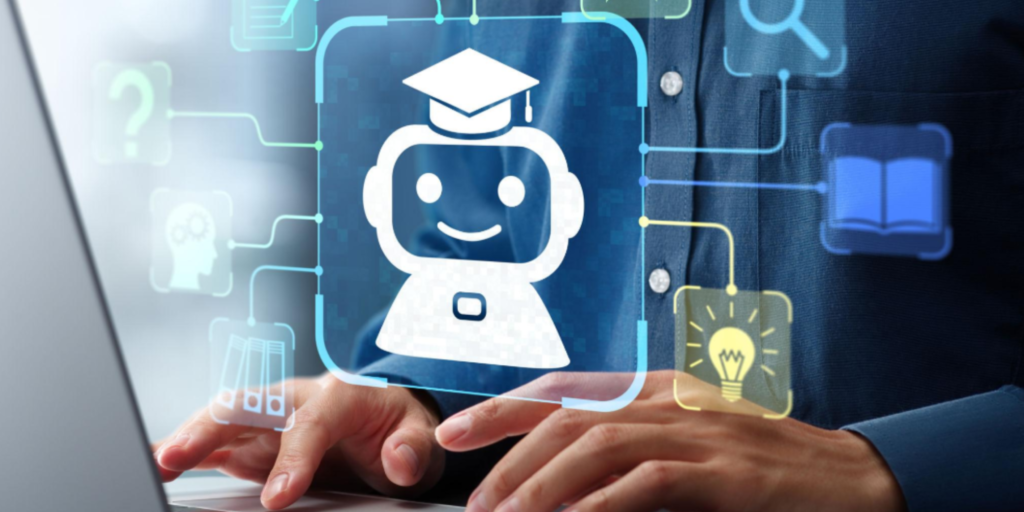
The Surprising Impact of AI Tutors on Student Success
Education has always evolved alongside technological progress. From traditional classrooms and printed textbooks to online learning platforms and virtual classrooms, every generation has witnessed changes in how knowledge is delivered and consumed. In 2026, one of the most remarkable developments influencing modern education is the growing presence of AI tutors. What initially appeared to be a futuristic concept has now become a practical learning tool that is reshaping student experiences across schools, colleges, and professional training programs.
Artificial intelligence is no longer limited to business automation, digital assistants, or advanced technology industries. It has entered the education sector in a meaningful way, providing students with personalized support, instant feedback, and flexible learning opportunities. AI tutors are becoming increasingly popular because they can adapt to different learning styles, identify academic weaknesses, and provide guidance whenever students need help.
For many students, learning challenges often arise because traditional classroom environments cannot always address individual needs. Every student learns differently, progresses at a different pace, and faces unique academic obstacles. AI tutors help bridge these gaps by offering customized educational experiences that make learning more engaging and effective.
While some educators initially expressed concerns about the growing influence of artificial intelligence in education, many institutions now recognize the valuable role AI tutors can play in supporting student achievement. The impact of AI tutors goes far beyond convenience. They are changing how students learn, practice skills, build confidence, and prepare for future careers.
The Rise of Personalized Learning Through AI Tutors
One of the most significant advantages of AI tutors is their ability to deliver personalized learning experiences. In traditional classrooms, teachers often manage large groups of students with varying academic abilities. While educators work hard to support every learner, limited time and resources can make individual attention challenging.
AI tutors help solve this issue by creating learning paths tailored to each student’s strengths and weaknesses. Instead of presenting identical lessons to everyone, AI-powered systems analyze performance patterns and adjust content accordingly.
For example, if a student struggles with mathematics but performs strongly in science, an AI tutor can provide additional explanations, practice exercises, and targeted support specifically for mathematics. This personalized approach helps students focus on areas requiring improvement without feeling overwhelmed.
Students often learn more effectively when educational content matches their learning style and pace. AI tutors make this possible by continuously adapting to individual progress.
The growing popularity of personalized learning is one reason AI tutors are becoming an important part of modern education systems worldwide.
AI Tutors Provide Instant Academic Support
Many students experience frustration when they encounter academic difficulties outside school hours. Traditionally, learners had to wait until the next class or tutoring session to receive clarification. AI tutors have changed this dynamic completely.
Today, students can access educational support at any time. Whether studying late at night, preparing for examinations, or reviewing difficult concepts, AI tutors provide immediate assistance.
This instant availability helps students maintain learning momentum and reduces delays in understanding important topics. Instead of becoming discouraged by confusion, learners can receive explanations and guidance within seconds.
The convenience of continuous support creates a more positive educational experience. Students often feel more confident asking questions because AI systems provide assistance without judgment or pressure.
This accessibility is particularly beneficial for students who may hesitate to ask questions in traditional classroom environments due to fear of making mistakes.
The ability to receive instant academic support has become one of the strongest reasons students are embracing AI-powered learning tools.
Improving Student Confidence and Motivation
Confidence plays a major role in academic success. Students who believe in their abilities are often more willing to participate, solve problems, and tackle challenging subjects. Unfortunately, repeated academic struggles can sometimes reduce confidence and motivation.
AI tutors help address this issue by creating supportive learning environments where students can practice skills without embarrassment or fear of criticism.
When learners receive immediate feedback and personalized guidance, they often experience a stronger sense of achievement. Small improvements become visible quickly, encouraging students to continue learning.
AI systems can also celebrate progress through performance tracking, achievement milestones, and motivational feedback. These positive reinforcements help students remain engaged and focused on long-term goals.
For learners who have previously experienced academic setbacks, personalized encouragement can create significant improvements in self-belief and persistence.
As education becomes increasingly student-centered, confidence-building tools are becoming essential components of effective learning systems.

AI Tutors Help Students Learn at Their Own Pace
One common challenge within traditional education is that students often learn at different speeds. Some learners grasp concepts quickly, while others require additional time and practice.
In classroom settings, maintaining a single pace for everyone can create difficulties. Fast learners may become bored, while slower learners may feel left behind.
AI tutors offer a flexible solution by allowing students to progress according to individual learning needs. Learners can revisit lessons, review explanations, and practice concepts repeatedly until they achieve understanding.
This flexibility reduces unnecessary pressure and creates a more comfortable learning environment. Students gain greater control over their educational journey rather than feeling forced to keep up with fixed schedules.
Learning at a personalized pace often improves retention, comprehension, and long-term academic performance.
The future of education increasingly focuses on adaptability, making AI-driven learning systems particularly valuable.
Supporting Teachers Rather Than Replacing Them
One of the biggest misconceptions about AI tutors is the belief that they will replace teachers entirely. In reality, AI tutors function most effectively as supportive educational tools rather than replacements for human educators.
Teachers provide emotional support, mentorship, leadership, creativity, and classroom management that technology cannot fully replicate. Human educators understand social dynamics, emotional needs, and personal challenges in ways artificial systems cannot.
AI tutors assist teachers by handling repetitive tasks, providing additional practice opportunities, and offering data-driven insights into student performance.
This collaboration allows teachers to focus more on meaningful interactions, critical thinking activities, and individualized support.
The combination of human expertise and intelligent technology creates a stronger educational experience than either approach alone.
Successful education in the future will likely involve partnerships between educators and AI systems rather than competition between them.
AI Tutors Are Expanding Educational Access
Another surprising impact of AI tutors is their ability to improve educational accessibility. In many regions, students face challenges related to teacher shortages, geographical limitations, or limited access to specialized academic support.
AI-powered learning platforms help bridge these gaps by providing high-quality educational resources to students regardless of location.
Learners from smaller towns and underserved communities can access tutoring support that may previously have been unavailable. This increased accessibility helps create more equal learning opportunities across different regions and backgrounds.
Technology is helping reduce barriers that once limited educational advancement for many students.
While challenges such as internet access and digital infrastructure still exist, AI tutors are contributing to a more inclusive educational environment overall.
The expansion of educational access remains one of the most encouraging outcomes of AI-driven learning innovation.

Developing Future-Ready Skills
Modern industries increasingly require adaptability, digital literacy, problem-solving abilities, and technological awareness. AI tutors help students develop these future-ready skills while supporting academic learning.
By interacting with intelligent systems, students become more comfortable using digital tools and understanding technology-driven environments.
AI learning platforms often encourage critical thinking, independent learning, and self-management skills. Students learn how to seek information, evaluate solutions, and take responsibility for personal progress.
These abilities are becoming highly valuable in future workplaces influenced by artificial intelligence, automation, and digital transformation.
Educational systems are gradually recognizing that preparing students for future careers involves more than academic knowledge alone.
AI tutors support both educational achievement and long-term professional development.
Challenges Associated With AI Tutors
Despite the advantages, AI tutors are not without challenges. Overreliance on technology can sometimes reduce opportunities for human interaction and collaborative learning experiences.
Students must also learn to use AI responsibly rather than depending entirely on automated assistance for every task.
Accuracy remains another consideration. Although AI systems continue improving, occasional errors or misleading explanations can occur. Human oversight remains important to ensure educational quality.
Privacy and data security concerns also require careful attention as educational platforms collect student information and learning data.
Additionally, unequal access to technology can create disparities between students who have reliable digital resources and those who do not.
Addressing these challenges responsibly will be essential as AI tutoring systems continue expanding worldwide.
The Future of AI Tutors in Education
The future of AI tutors appears highly promising. As technology advances, AI systems will likely become even more sophisticated, interactive, and personalized.
Future AI tutors may integrate virtual reality, voice interaction, emotional recognition, and advanced analytics to create highly immersive learning experiences.
Educational institutions are increasingly exploring how intelligent technologies can improve outcomes while maintaining the human connection that remains central to effective teaching.
Students entering the workforce of tomorrow will likely experience educational environments where AI support is a normal part of daily learning.
The goal is not to replace traditional education but to enhance it through intelligent assistance and personalized guidance.
As innovation continues, AI tutors are expected to play a significant role in shaping the future of global education.
Conclusion
The surprising impact of AI tutors on student success is becoming increasingly visible across modern education systems. Through personalized learning, instant support, flexible study experiences, and improved accessibility, AI tutors are helping students overcome academic challenges and achieve stronger outcomes.
These intelligent learning tools provide valuable support while encouraging confidence, motivation, and independent learning. They also prepare students for a future where digital literacy and adaptability are essential professional skills.
Although challenges such as technology dependence and data privacy require careful management, the benefits of AI tutoring continue to grow. Rather than replacing teachers, AI tutors enhance educational experiences by complementing human expertise and providing individualized support.
In 2026 and beyond, AI tutors are likely to remain a powerful force in education, helping students learn more effectively, develop future-ready skills, and achieve greater academic success in an increasingly digital world.
You May Also Read
Best Work From Home Jobs in 2026: High Paying Remote Careers You Can Start Today
Best Work From Home Jobs in 2026: Flexible Careers With...
Read More
AI & Future Jobs in 2026: Careers That Will Thrive in the Digital Era
AI & Future Jobs in 2026: The Careers Shaping Tomorrow’s...
Read MoreLinkedIn Profile Tips for Job Seekers: Complete Guide to Get More Job Opportunities in 2026
LinkedIn Profile Tips for Job Seekers: How to Stand Out...
Read More