
The Future of AI-Based Placement Matching
The world of campus recruitment is changing at an extraordinary pace. Universities, employers, and students are embracing digital technologies to make the hiring process faster, smarter, and more efficient. Traditional placement methods that relied heavily on manual resume screening and limited interviews are gradually being replaced by intelligent systems capable of evaluating multiple factors simultaneously. This remarkable transformation explains The Future of AI-Based Placement Matching and why artificial intelligence is becoming an essential part of modern recruitment.
Artificial intelligence is no longer limited to automating repetitive tasks. Today, it analyzes skills, educational backgrounds, career interests, communication abilities, certifications, internships, project experience, and even learning patterns to recommend suitable employment opportunities. Instead of simply matching keywords on resumes, AI-based placement systems aim to identify candidates who align with both job requirements and organizational culture. As industries continue adopting intelligent recruitment technologies, The Future of AI-Based Placement Matching is becoming increasingly significant for universities, employers, and graduates.
Understanding AI-Based Placement Matching
To understand The Future of AI-Based Placement Matching, it is important to first understand the concept.
AI-based placement matching uses artificial intelligence, machine learning, predictive analytics, and data-driven algorithms to connect students with employment opportunities that best match their qualifications, technical skills, career goals, and professional potential.
Unlike conventional recruitment methods, these systems evaluate multiple dimensions rather than relying solely on academic scores.
Technology enhances hiring decisions.
Intelligent systems improve recruitment efficiency.
Innovation transforms career opportunities.
Why Traditional Placement Methods Are Evolving
One major reason behind The Future of AI-Based Placement Matching is the growing complexity of recruitment.
Modern employers evaluate candidates based on technical expertise, communication abilities, problem-solving skills, adaptability, leadership potential, project experience, certifications, and practical knowledge. Manual screening often struggles to assess these factors consistently across thousands of applicants.
AI helps process large volumes of information more effectively while supporting informed recruitment decisions.
Digital transformation improves recruitment quality.
Smarter hiring reduces unnecessary delays.
Innovation supports better candidate evaluation.
AI Improves Skill-Based Recruitment
A key advantage of The Future of AI-Based Placement Matching is its emphasis on skills rather than only academic qualifications.
Artificial intelligence can compare a student’s technical competencies, internships, certifications, portfolios, practical projects, and extracurricular achievements with employer expectations to identify stronger matches.
This approach encourages students to develop well-rounded professional profiles.
Skills strengthen employability.
Practical experience increases career readiness.
Continuous learning creates opportunities.
Personalized Career Recommendations
Another important aspect of The Future of AI-Based Placement Matching is personalized guidance.
Instead of presenting every available job opportunity, AI systems recommend positions that align with a student’s interests, strengths, learning history, preferred industries, and future aspirations.
Personalized recommendations improve application quality.
Focused preparation enhances confidence.
Career planning becomes more strategic.

Faster Recruitment Benefits Everyone
Speed represents another major advantage behind The Future of AI-Based Placement Matching.
Recruiters often review thousands of applications within limited timeframes. AI-powered systems automate initial screening, candidate ranking, document verification, and interview scheduling, allowing recruitment teams to focus on meaningful interactions.
Automation saves valuable time.
Efficiency improves hiring experiences.
Technology streamlines campus placements.
Universities Can Improve Placement Performance
Educational institutions also benefit from The Future of AI-Based Placement Matching.
Placement cells gain valuable insights into student skill gaps, employer expectations, placement trends, and industry demands. These insights help universities improve curriculum design, training programs, internships, and career guidance initiatives.
Data supports educational improvement.
Continuous evaluation strengthens placement success.
Universities become more industry-focused.
Students Receive Better Career Guidance
AI continues expanding The Future of AI-Based Placement Matching by providing personalized learning recommendations.
Students receive suggestions regarding certifications, technical skills, communication improvement, interview preparation, and additional training that can increase future employability.
Career guidance becomes more proactive.
Learning pathways remain personalized.
Preparation improves employment prospects.
Employers Gain Better Candidate Matching
Another reason behind The Future of AI-Based Placement Matching is improved hiring accuracy.
Artificial intelligence helps organizations identify candidates whose qualifications, experience, skills, and career goals closely align with available roles, reducing mismatches and improving long-term employee satisfaction.
Better matching supports organizational growth.
Quality recruitment strengthens business performance.
Thoughtful hiring benefits both employers and graduates.
Ethical AI Plays a Vital Role
Ethics remain an essential consideration within The Future of AI-Based Placement Matching.
Universities and employers must ensure that AI systems operate transparently, respect privacy, minimize unintended bias, and evaluate candidates fairly using responsible algorithms and accurate data.
Responsible technology builds trust.
Fair recruitment encourages equal opportunities.
Ethical innovation strengthens confidence.
Continuous Learning Supports AI Success
Students preparing for The Future of AI-Based Placement Matching should recognize the importance of continuous learning.
Developing technical expertise, communication skills, teamwork, leadership, adaptability, critical thinking, and professional certifications increases compatibility with evolving AI-driven recruitment systems.
Learning never stops.
Adaptability supports long-term careers.
Growth begins with curiosity.
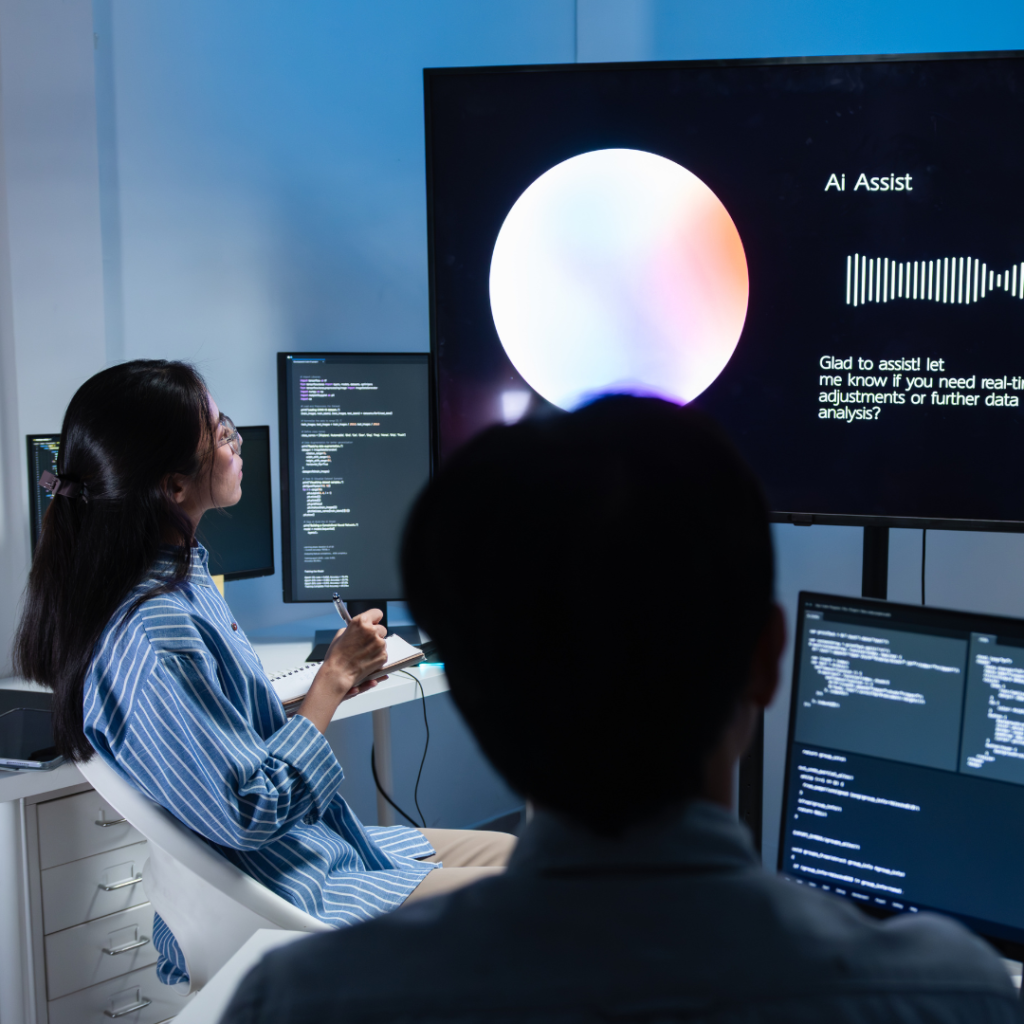
Emerging Technologies Strengthen Placement Systems
Several technologies are accelerating The Future of AI-Based Placement Matching, including machine learning, natural language processing, predictive analytics, cloud computing, digital portfolios, virtual interviews, and intelligent skill assessment platforms.
These innovations create more comprehensive candidate evaluations.
Technology improves recruitment precision.
Digital transformation supports employability.
Innovation continues expanding opportunities.
Challenges Facing AI-Based Placement Matching
While discussing The Future of AI-Based Placement Matching, it is important to recognize certain challenges.
Artificial intelligence depends on high-quality data, responsible implementation, transparent evaluation methods, and ongoing human oversight. Universities and employers must regularly monitor AI systems to maintain fairness, accuracy, and accountability.
Balanced technology creates better outcomes.
Human judgment remains valuable.
Continuous improvement strengthens recruitment quality.
The Future of Campus Recruitment
The future of The Future of AI-Based Placement Matching appears exceptionally promising.
Universities will increasingly integrate AI into placement management, career counseling, internship recommendations, resume evaluation, interview preparation, and employer engagement. Students will benefit from personalized career pathways, while employers gain faster access to highly compatible candidates.
Future recruitment will combine intelligent automation with human expertise, creating more efficient and meaningful hiring experiences.
Innovation supports smarter education.
Technology connects talent with opportunity.
AI continues transforming recruitment.
Conclusion
The Future of AI-Based Placement Matching represents one of the most significant advancements in higher education and recruitment. Artificial intelligence enables universities and employers to evaluate candidates more comprehensively by considering skills, experience, learning potential, career goals, and industry requirements rather than relying solely on traditional academic metrics.
For students, this transformation creates valuable opportunities to showcase diverse abilities, receive personalized career guidance, and prepare for rapidly changing employment markets. For employers, AI enhances recruitment quality, improves hiring efficiency, and supports stronger workforce development.
As artificial intelligence continues evolving, AI-based placement matching will become an increasingly important component of campus recruitment. Combined with ethical implementation, continuous learning, and responsible human oversight, these intelligent systems will help create a more connected, efficient, and opportunity-driven future for students, universities, and employers alike.