
The Rise of Skill Demonstration Interviews
The recruitment landscape has undergone a remarkable transformation over the past decade. Employers are no longer satisfied with evaluating candidates solely through resumes, academic scores, and traditional interview questions. Instead, organizations increasingly want proof that applicants can apply their knowledge in practical situations. This shift has led to The Rise of Skill Demonstration Interviews, a recruitment trend that focuses on real abilities rather than theoretical claims. As industries become more competitive and technology continues reshaping workplaces, companies are searching for professionals who can immediately contribute with confidence, creativity, and practical expertise.
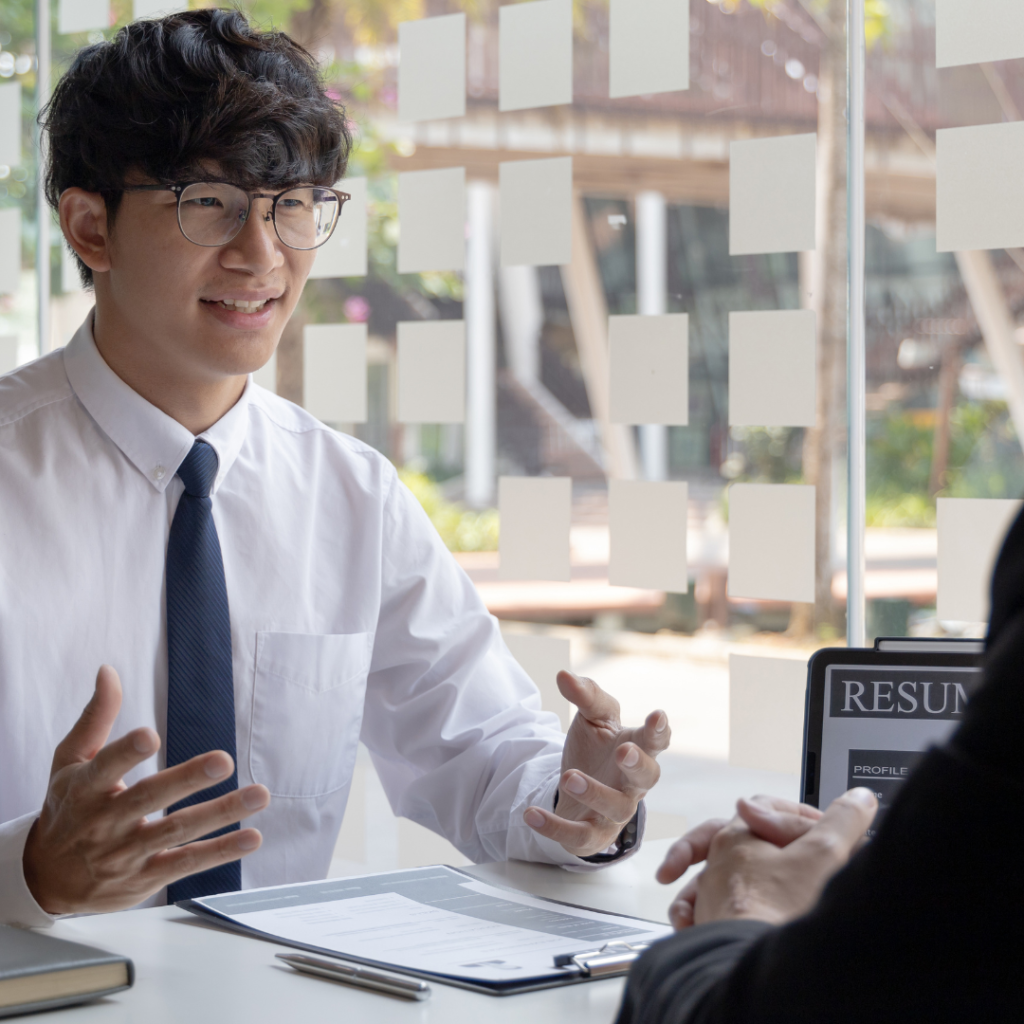
Unlike conventional interviews that rely heavily on verbal responses, skill demonstration interviews allow recruiters to observe how candidates solve problems, communicate ideas, manage challenges, and complete realistic assignments. Whether the role involves engineering, software development, marketing, healthcare, finance, design, or management, employers increasingly value practical demonstrations that reveal workplace readiness. Understanding The Rise of Skill Demonstration Interviews helps students and job seekers prepare for the future of recruitment while developing skills that remain valuable across industries.
Understanding Skill Demonstration Interviews
To understand The Rise of Skill Demonstration Interviews, it is important to first understand what these interviews involve.
A skill demonstration interview requires candidates to complete practical tasks that reflect the responsibilities of the actual job. Instead of answering only theoretical questions, applicants may solve technical problems, analyze business cases, prepare presentations, write reports, complete coding exercises, create design prototypes, or participate in role-playing activities.
These assessments provide employers with a realistic view of professional capability.
Practical evaluation strengthens hiring decisions.
Real performance creates greater confidence.
Skills become easier to measure.
Why Traditional Interviews Are Changing
One of the primary reasons behind The Rise of Skill Demonstration Interviews is the changing nature of modern workplaces.
Organizations require professionals who can think critically, adapt quickly, communicate effectively, and solve unexpected challenges. Traditional interviews sometimes fail to measure these abilities because candidates may memorize answers without demonstrating practical competence.
Skill demonstrations reduce uncertainty.
Practical ability becomes more visible.
Employers seek workplace readiness.
Employers Want Evidence Instead of Assumptions
Another important factor driving The Rise of Skill Demonstration Interviews is the growing emphasis on measurable performance.
Recruiters prefer candidates who can show how they approach real situations instead of simply describing what they might do. Live demonstrations allow employers to evaluate problem-solving methods, creativity, accuracy, communication, and decision-making under realistic conditions.
Evidence strengthens recruitment quality.
Performance builds professional credibility.
Confidence grows through demonstrated ability.
Campus Recruitment Is Adopting Practical Assessments
Universities are also contributing to The Rise of Skill Demonstration Interviews.
Campus recruitment increasingly includes coding challenges, engineering simulations, business case competitions, group discussions, design presentations, research showcases, and project demonstrations. These activities provide employers with valuable insight into student capabilities before making hiring decisions.
Educational institutions are aligning recruitment with industry expectations.
Practical learning improves employability.
Universities encourage industry readiness.
Students gain meaningful experience.

Skill Demonstration Interviews Improve Hiring Accuracy
One significant advantage of The Rise of Skill Demonstration Interviews is improved recruitment accuracy.
Employers can better identify candidates who possess both technical knowledge and practical application skills. This reduces hiring mismatches and increases the likelihood of long-term employee success.
Better assessments create stronger hiring outcomes.
Practical evaluation improves workforce quality.
Organizations benefit from informed decisions.
Technical Skills Receive Greater Attention
Another reason behind The Rise of Skill Demonstration Interviews is the increasing demand for technical expertise.
Software developers may complete programming tasks, engineers solve technical problems, designers create visual concepts, marketers prepare campaign strategies, and financial analysts interpret business data during the interview process.
Technical ability becomes highly visible.
Hands-on expertise supports career growth.
Industry expectations continue evolving.
Soft Skills Are Evaluated Simultaneously
Although technical knowledge is important, The Rise of Skill Demonstration Interviews also highlights the importance of soft skills.
Communication, teamwork, leadership, adaptability, creativity, emotional intelligence, and time management often become evident while candidates complete practical exercises.
Employers value balanced professionals.
Collaboration strengthens workplace success.
Soft skills complement technical expertise.
Digital Technology Supports Modern Interviews
Technology has accelerated The Rise of Skill Demonstration Interviews through virtual interview platforms, collaborative software, online coding environments, cloud-based simulations, digital whiteboards, artificial intelligence, and interactive assessment tools.
These technologies allow organizations to evaluate candidates from different geographical locations while maintaining consistent recruitment standards.
Digital innovation expands hiring opportunities.
Technology simplifies candidate evaluation.
Virtual recruitment continues growing.
Students Must Prepare Differently
The emergence of The Rise of Skill Demonstration Interviews encourages students to rethink career preparation.
Instead of focusing exclusively on examination scores, students benefit from internships, industry projects, hackathons, certifications, research activities, personal portfolios, communication practice, and collaborative learning experiences.
Continuous improvement enhances employability.
Practical learning builds professional confidence.
Experience strengthens career readiness.
Companies Benefit from Practical Hiring
Organizations adopting The Rise of Skill Demonstration Interviews often experience improved employee performance and stronger recruitment outcomes.
Candidates selected through practical assessments generally require less adjustment time because their abilities have already been evaluated under realistic conditions.
Effective recruitment supports organizational growth.
Well-matched employees contribute faster.
Practical hiring improves productivity.
Challenges of Skill Demonstration Interviews
While discussing The Rise of Skill Demonstration Interviews, it is important to recognize certain challenges.
Designing fair, job-relevant assessments requires careful planning. Employers must ensure that demonstrations accurately reflect workplace responsibilities, provide equal opportunities, avoid unnecessary complexity, and evaluate candidates consistently.
Fair assessments strengthen trust.
Clear evaluation criteria improve transparency.
Balanced recruitment benefits everyone.
The Future of Skill Demonstration Interviews
The future of The Rise of Skill Demonstration Interviews appears highly promising.
Artificial intelligence, virtual reality simulations, digital portfolios, predictive analytics, adaptive testing, immersive workplace simulations, and collaborative online assessments will continue transforming recruitment across industries.
Employers will increasingly combine traditional interviews with practical demonstrations to evaluate candidates more comprehensively. Universities will also integrate skill-based assessments into academic programs, ensuring graduates become more prepared for evolving employment markets.
Innovation supports smarter hiring.
Technology enhances recruitment quality.
Future careers reward practical excellence.
Conclusion
The Rise of Skill Demonstration Interviews represents one of the most significant developments in modern recruitment. Employers now recognize that practical performance provides a more accurate understanding of candidate potential than resumes and theoretical interviews alone. By evaluating real-world problem-solving, communication, creativity, technical knowledge, and adaptability, organizations make stronger hiring decisions while reducing recruitment risks.
For students and professionals, this transformation creates valuable opportunities to showcase genuine abilities through projects, portfolios, internships, certifications, and practical demonstrations. Continuous learning, industry exposure, and hands-on experience have become essential elements of career preparation.
As technology continues reshaping recruitment, skill demonstration interviews will become even more sophisticated, personalized, and widely adopted. Individuals who focus on developing practical expertise alongside academic knowledge will be better positioned to succeed in competitive hiring environments and build rewarding careers in the evolving global workforce.