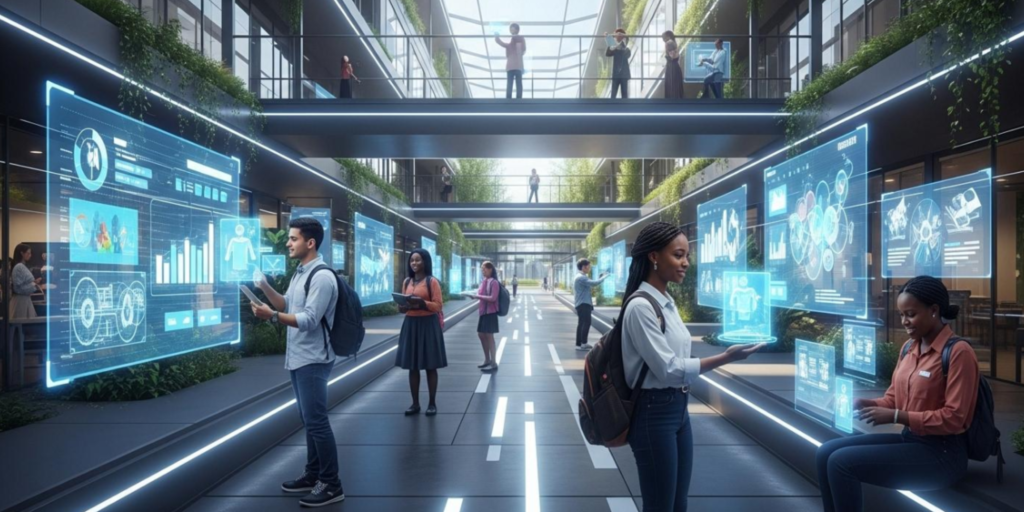
Future Universities: What Students Should Expect
Higher education has experienced remarkable transformation over the past few decades. Universities that once relied primarily on lecture halls, printed textbooks, and traditional examinations are now embracing digital technologies, interdisciplinary learning, artificial intelligence, data-driven education, global collaboration, and flexible teaching models. As industries continue evolving at an unprecedented pace, universities are redesigning educational systems to prepare students not only for today’s professions but also for careers that may not yet exist. This transformation makes Future Universities: What Students Should Expect an increasingly important topic for prospective students, educators, employers, and policymakers.
Modern universities no longer serve solely as institutions for delivering academic knowledge. They are becoming innovation ecosystems where research, entrepreneurship, technology, sustainability, creativity, industry partnerships, and lifelong learning intersect. Students entering higher education in the coming years will likely experience classrooms supported by intelligent learning systems, personalized educational pathways, immersive technologies, virtual laboratories, collaborative global projects, and expanded opportunities for practical learning. These developments reflect broader efforts to create education that remains adaptable within rapidly changing social, economic, and technological environments.
The growing relevance of Future Universities: What Students Should Expect reflects the recognition that successful graduates require more than subject expertise. Critical thinking, digital literacy, communication, adaptability, ethical reasoning, creativity, leadership, and interdisciplinary collaboration are becoming essential educational priorities alongside traditional academic excellence. Universities are increasingly integrating these capabilities into curricula while strengthening partnerships with industries, research organizations, and international institutions.
Understanding Future Universities: What Students Should Expect helps students prepare for educational experiences that emphasize flexibility, innovation, personalized development, and continuous learning. Rather than replacing traditional academic values, future universities seek to combine established educational principles with emerging technologies and global perspectives that support lifelong personal and professional success.
The Evolution of Higher Education
Universities have continuously adapted throughout history in response to scientific progress, economic development, technological innovation, and changing workforce requirements.
Today’s transformation represents another important stage in educational evolution.
Understanding Future Universities: What Students Should Expect begins by recognizing education as a dynamic system that evolves alongside society.
Learning continuously changes.
Education reflects global progress.
Innovation strengthens academic development.
Artificial Intelligence in Education
Artificial intelligence increasingly supports personalized learning, academic assistance, administrative efficiency, intelligent tutoring, assessment analysis, and educational planning.
Future universities will likely integrate AI responsibly while maintaining human-centered teaching.
Artificial intelligence strengthens Future Universities: What Students Should Expect.
Technology supports individualized learning.
AI enhances educational experiences.
Human guidance remains essential.
Personalized Learning Pathways
Students possess different interests, learning styles, strengths, and career aspirations.
Future universities increasingly design flexible educational experiences tailored to individual learning needs.
Personalization enriches Future Universities: What Students Should Expect.
Learning becomes more adaptable.
Individual progress receives greater attention.
Personalized education improves engagement.
Hybrid Learning Models
Future education will likely combine classroom teaching with digital learning environments.
Hybrid models provide flexibility while maintaining valuable face-to-face interaction between students and educators.
Hybrid education supports Future Universities: What Students Should Expect.
Flexible learning expands accessibility.
Technology complements classroom experiences.
Balanced education strengthens engagement.
Smart Classrooms
Advanced classrooms increasingly incorporate interactive displays, digital collaboration platforms, intelligent learning software, and immersive educational technologies.
These innovations improve Future Universities: What Students Should Expect by supporting interactive learning.
Technology encourages participation.
Smart environments improve communication.
Innovation enhances classroom experiences.
Virtual and Augmented Reality
Immersive technologies allow students to explore scientific laboratories, engineering simulations, historical environments, medical procedures, and architectural designs through interactive experiences.
These technologies enrich Future Universities: What Students Should Expect.
Immersive learning improves understanding.
Simulation supports practical education.
Technology expands educational possibilities.
Industry Collaboration
Future universities continue strengthening partnerships with businesses, startups, research organizations, healthcare institutions, and public agencies.
These collaborations create practical opportunities supporting Future Universities: What Students Should Expect.
Industry engagement improves employability.
Real-world learning strengthens education.
Partnerships create meaningful experiences.
Career-Focused Education
Universities increasingly integrate employability skills alongside academic learning.
Professional communication, leadership, digital literacy, entrepreneurship, teamwork, and problem-solving become essential educational components.
Career preparation strengthens Future Universities: What Students Should Expect.
Balanced education improves professional readiness.
Skills complement academic knowledge.
Preparation supports long-term careers.
Research Opportunities
Students will increasingly participate in research addressing healthcare, sustainability, artificial intelligence, renewable energy, environmental science, business innovation, and social development.
Research enriches Future Universities: What Students Should Expect.
Curiosity encourages discovery.
Research builds critical thinking.
Innovation supports global progress.
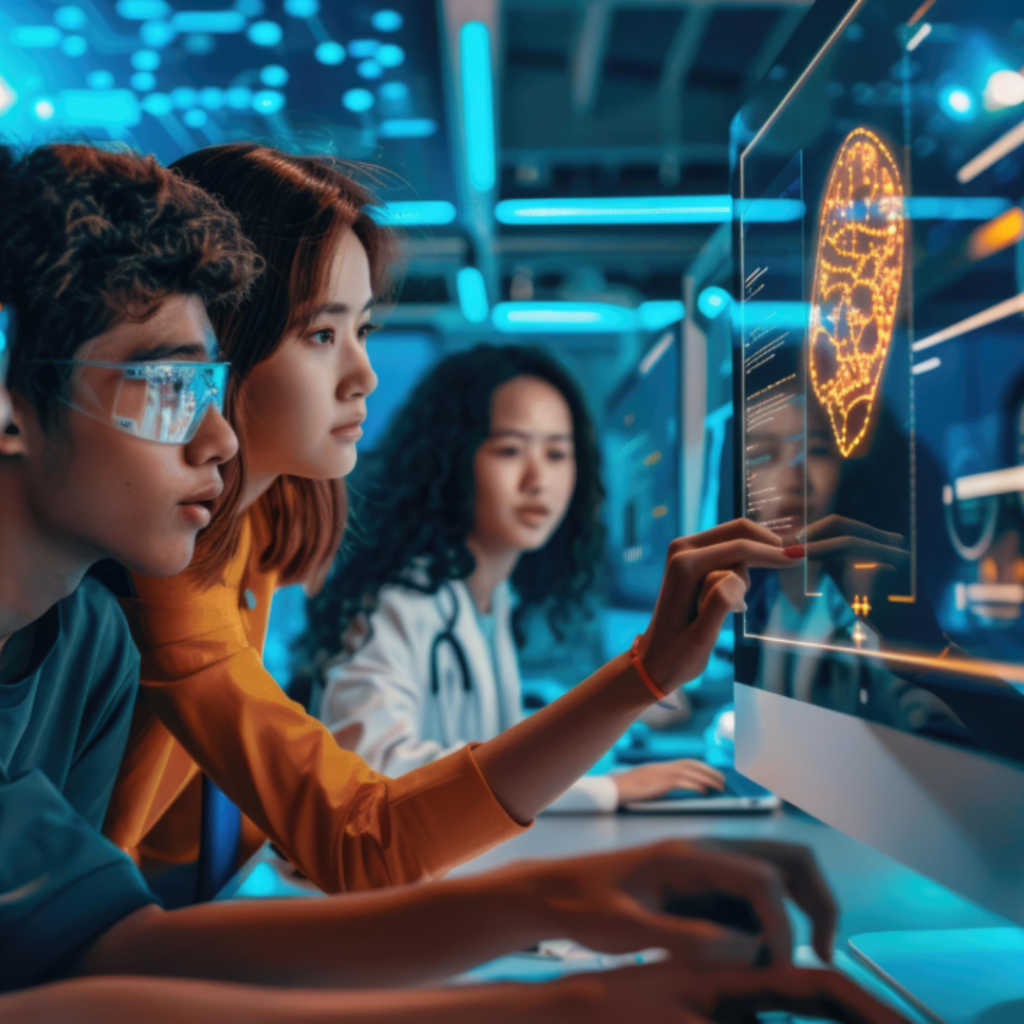
Sustainability Across Campuses
Future universities increasingly prioritize environmentally responsible campus design, renewable energy, sustainable construction, resource conservation, and climate awareness.
Sustainability strengthens Future Universities: What Students Should Expect.
Environmental responsibility supports future generations.
Sustainable campuses improve learning environments.
Education encourages responsible citizenship.
Global Learning Communities
International collaboration continues expanding through virtual exchanges, joint research, multicultural classrooms, and global academic partnerships.
Global education strengthens Future Universities: What Students Should Expect.
International perspectives enrich learning.
Collaboration builds cultural understanding.
Global education prepares international professionals.
Lifelong Learning
Future universities increasingly support continuous education throughout professional careers.
Graduates return for certifications, advanced programs, digital courses, professional development, and specialized learning.
Lifelong learning supports Future Universities: What Students Should Expect.
Education continues beyond graduation.
Learning evolves throughout careers.
Continuous development improves adaptability.
Entrepreneurship and Innovation
Universities increasingly encourage startup development, business incubation, creative problem-solving, and innovation laboratories supporting entrepreneurial students.
Entrepreneurship strengthens Future Universities: What Students Should Expect.
Innovation creates opportunities.
Creative thinking supports economic development.
Universities encourage future business leaders.
Student Well-Being
Future education recognizes the importance of mental wellness, emotional resilience, academic support, counseling services, and healthy campus environments.
Student well-being enriches Future Universities: What Students Should Expect.
Healthy students learn effectively.
Balanced support encourages confidence.
Wellness strengthens academic success.
Ethical Technology Education
As digital technologies continue expanding, universities increasingly emphasize ethical decision-making regarding artificial intelligence, privacy, cybersecurity, responsible innovation, and digital citizenship.
Ethics strengthen Future Universities: What Students Should Expect.
Responsible technology benefits society.
Ethical thinking supports professional integrity.
Education encourages thoughtful innovation.
Flexible Degree Structures
Students increasingly seek educational flexibility allowing interdisciplinary study, elective pathways, modular learning, and personalized academic experiences.
Flexible programs strengthen Future Universities: What Students Should Expect.
Choice improves engagement.
Adaptable education supports individual goals.
Learning becomes more personalized.
Assessment Beyond Examinations
Future universities increasingly evaluate students through projects, research, collaboration, presentations, practical experience, innovation, and continuous assessment alongside traditional examinations.
Modern assessment enriches Future Universities: What Students Should Expect.
Practical evaluation reflects workplace skills.
Balanced assessment improves learning.
Multiple approaches strengthen education.
Digital Campuses
Administrative services, libraries, career guidance, mentoring, research resources, student communities, and academic advising increasingly operate through integrated digital platforms.
Digital campuses strengthen Future Universities: What Students Should Expect.
Technology improves accessibility.
Digital systems simplify student experiences.
Innovation supports efficient learning.
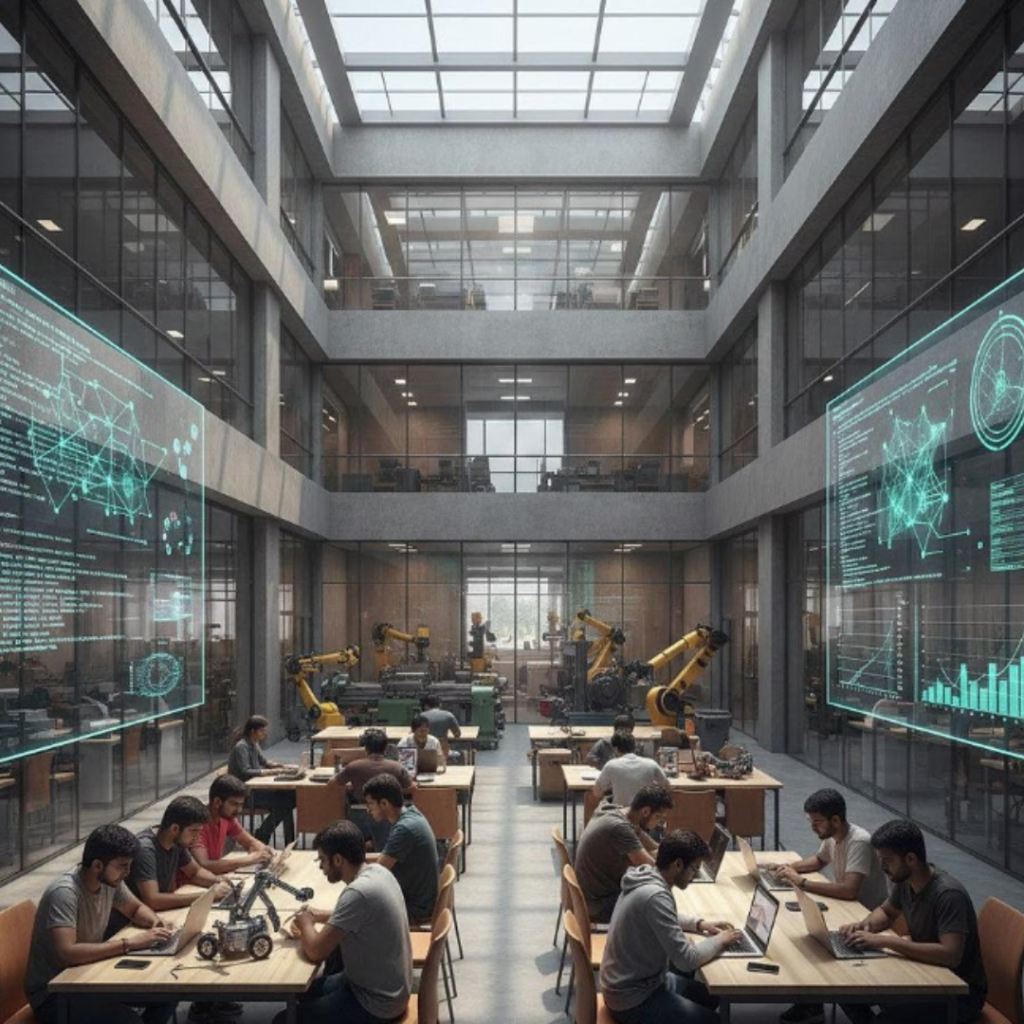
Preparing Students for Unknown Careers
Many future professions will emerge through technological advancement, sustainability initiatives, biotechnology, artificial intelligence, and interdisciplinary innovation.
Universities prepare students by emphasizing adaptable capabilities rather than narrow specialization alone.
Adaptability defines Future Universities: What Students Should Expect.
Future careers require continuous learning.
Flexibility supports professional success.
Education prepares lifelong learners.
Conclusion
Future Universities: What Students Should Expect reflects a transformative vision of higher education where academic excellence is combined with technological innovation, personalized learning, interdisciplinary collaboration, career development, sustainability, and lifelong education. Tomorrow’s universities will extend beyond traditional classrooms by integrating artificial intelligence, smart learning environments, immersive technologies, industry partnerships, research opportunities, flexible degree structures, and global academic collaboration. These developments will help students build not only subject expertise but also the adaptability, creativity, ethical judgment, communication abilities, and digital literacy required to thrive in rapidly changing professional environments.
As higher education continues evolving, Future Universities: What Students Should Expect will increasingly focus on preparing graduates for careers that demand continuous learning, critical thinking, resilience, and innovation rather than simply transferring academic knowledge. Students entering these future-focused institutions can expect educational experiences that are more interactive, personalized, technology-enabled, and connected to real-world challenges than ever before. By embracing change while preserving the core values of scholarship, research, integrity, and intellectual curiosity, future universities will empower learners to become confident professionals, responsible global citizens, innovative leaders, and lifelong contributors to an increasingly interconnected and knowledge-driven world.