
Why Knowledge Opens Doors That Talent Alone Cannot
Talent is often admired because it appears effortless. Whether in academics, sports, business, art, or leadership, naturally gifted individuals frequently capture attention and admiration. Society tends to celebrate talent because it can produce impressive results early in life. However, while talent may create opportunities, it is rarely enough to sustain long-term success on its own. Knowledge, continuous learning, and skill development often become the factors that determine whether potential evolves into achievement. In many situations, knowledge opens doors that talent alone cannot because it provides adaptability, understanding, and the ability to grow beyond natural abilities.
Throughout history, countless successful individuals have demonstrated that talent without knowledge can reach limitations. Natural ability may create an advantage, but knowledge expands possibilities. It helps people solve problems, make informed decisions, adapt to changing circumstances, and create lasting value. In a world where industries, technologies, and social expectations constantly evolve, knowledge has become one of the most powerful assets an individual can possess.
The relationship between knowledge and success is not about diminishing the value of talent. Rather, it highlights the importance of combining natural strengths with continuous learning. Knowledge-based success often results from a willingness to learn, improve, and develop expertise over time. Understanding why knowledge opens doors that talent alone cannot reveals how education, experience, and lifelong learning contribute to meaningful personal and professional growth.
The Difference Between Talent and Knowledge
Talent and knowledge are often discussed together, but they represent different concepts. Talent generally refers to natural ability or aptitude in a specific area. Knowledge, on the other hand, is acquired through learning, education, observation, and experience.
A talented individual may demonstrate early potential, but without learning and development, that potential may remain limited. Knowledge provides the foundation needed to expand skills, deepen understanding, and improve performance. It transforms ability into expertise.
Knowledge growth occurs when individuals actively seek information, practice new skills, and apply what they learn in real-world situations. This process allows people to develop capabilities that extend beyond natural strengths.
Education and success are closely connected because education helps individuals build knowledge that supports long-term achievement. Even highly talented people often require training, guidance, and experience to reach their full potential.
While talent may provide a starting point, knowledge creates pathways for continued progress. This distinction explains why learning remains valuable regardless of natural ability.
Why Knowledge Creates More Opportunities
One of the greatest advantages of knowledge is its ability to create opportunities. Knowledge opens doors by expanding understanding, increasing competence, and enabling individuals to navigate complex situations more effectively.
Career advancement often depends on knowledge rather than talent alone. Employers value individuals who can solve problems, communicate effectively, and adapt to changing environments. These abilities are typically developed through learning and experience.
Knowledge-based success also increases confidence. People who understand their field or area of expertise are often better equipped to make decisions and pursue opportunities. This confidence encourages initiative and supports professional growth.
Continuous learning allows individuals to recognize possibilities that others may overlook. Knowledge provides context and perspective, helping people identify trends, solve challenges, and make informed choices.
Although talent may attract attention initially, opportunities often expand when individuals demonstrate a commitment to learning and improvement.

The Power of Lifelong Learning
Lifelong learning is one of the most important drivers of personal and professional success. In a rapidly changing world, knowledge can become outdated quickly. Individuals who embrace continuous learning remain adaptable and prepared for new challenges.
The power of knowledge lies in its ability to evolve. Unlike fixed abilities, knowledge can be expanded indefinitely. Every new skill, experience, or insight contributes to greater understanding and capability.
Learning and growth often occur together because education encourages individuals to explore new ideas and perspectives. Lifelong learners remain curious and open to improvement, which helps them navigate uncertainty more effectively.
Professional development increasingly depends on ongoing education. Industries evolve, technologies advance, and workplace expectations change regularly. Individuals who continue learning are often better positioned to remain competitive and relevant.
At times, lifelong learning requires effort and persistence. However, the rewards frequently include greater adaptability, stronger problem-solving skills, and increased opportunities for advancement.
How Knowledge Strengthens Skill Development
Skill development is rarely the result of talent alone. Most valuable skills are refined through practice, education, and experience. Knowledge provides the framework that supports this development.
A talented musician, athlete, or professional may possess natural ability, but mastery often requires years of learning and refinement. Knowledge helps individuals understand techniques, strategies, and principles that improve performance.
Personal development benefits significantly from knowledge because learning encourages growth across multiple areas of life. Communication skills, leadership abilities, critical thinking, and emotional intelligence all improve through education and experience.
Knowledge growth also supports innovation. Individuals who understand existing concepts and systems are better equipped to develop new ideas and solutions. This ability contributes to creativity and progress.
While talent may accelerate early success, skill development ensures long-term improvement and sustainability.
Why Education Remains a Powerful Tool for Success
Education and success have been linked throughout history because education provides access to knowledge, opportunities, and personal growth. Formal education, professional training, and self-directed learning all contribute to the development of valuable skills and understanding.
Academic achievement often reflects more than intelligence. It frequently demonstrates discipline, curiosity, and a willingness to learn. These qualities support long-term success in both personal and professional environments.
Knowledge-based success is particularly important in modern economies where information and expertise play central roles. Employers increasingly seek individuals who can analyze data, solve problems, and adapt to changing circumstances.
Education also encourages critical thinking. Rather than simply memorizing information, learners develop the ability to evaluate evidence, consider different perspectives, and make informed decisions.
Challenges such as educational barriers or limited resources can create obstacles. However, access to learning opportunities has expanded significantly through digital platforms, online courses, and community programs.
The enduring value of education highlights its role as a foundation for growth and achievement.
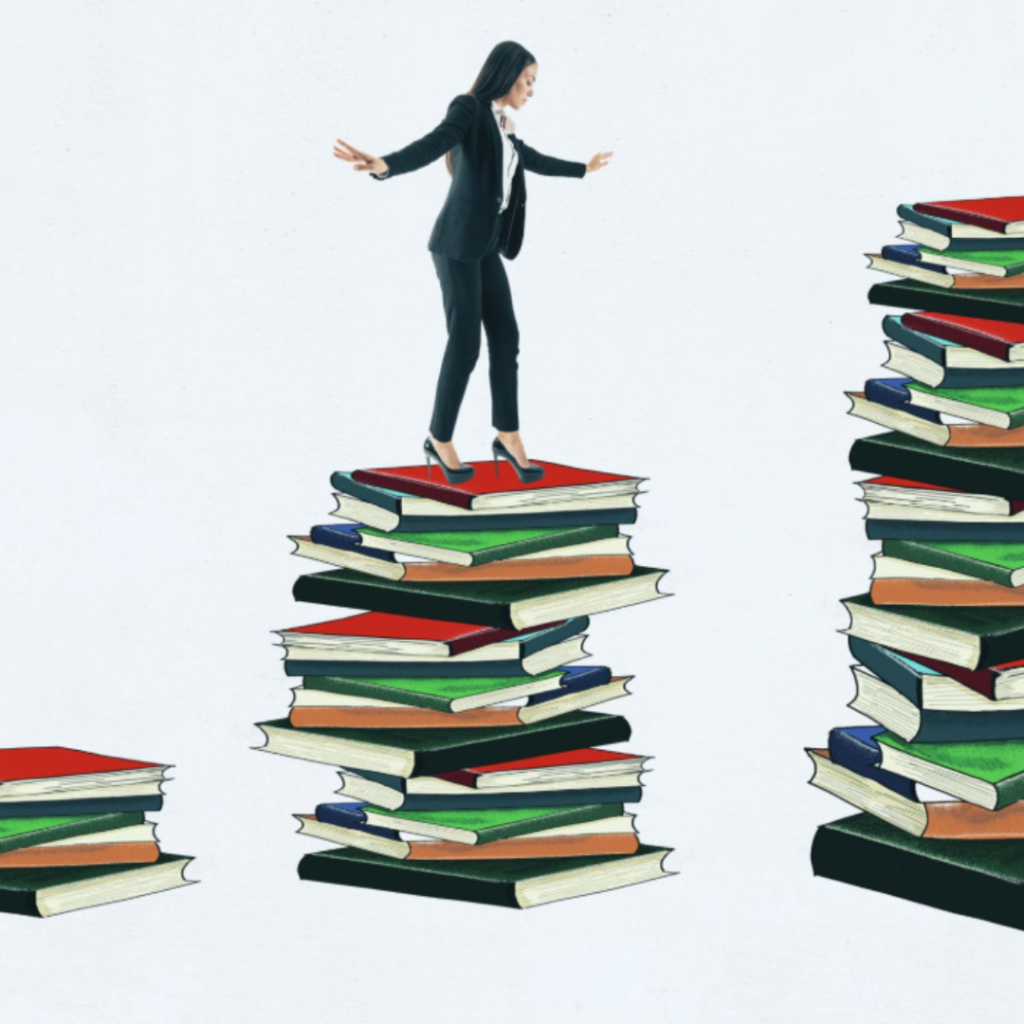
Knowledge and Adaptability in a Changing World
Adaptability has become one of the most valuable qualities in modern life. Technological advancements, economic changes, and global developments continually reshape personal and professional environments.
Knowledge supports adaptability by providing the tools needed to understand and respond to change. Individuals who continue learning are often more comfortable navigating unfamiliar situations because they possess broader perspectives and stronger problem-solving abilities.
Career advancement frequently depends on adaptability. Employees who can learn new technologies, acquire new skills, and embrace change are often viewed as valuable contributors to their organizations.
Learning and growth encourage resilience because they help individuals view challenges as opportunities for development rather than insurmountable obstacles. This mindset supports long-term success.
Although change can sometimes create uncertainty, knowledge provides stability by equipping individuals with the ability to learn and adjust continuously.
Why Talent Reaches Limits Without Knowledge
Talent alone can create impressive beginnings, but it often encounters limitations when not supported by knowledge. Natural ability may enable quick progress initially, but sustained success typically requires deeper understanding and continuous improvement.
A talented individual who stops learning may struggle to adapt to changing circumstances. Knowledge helps bridge gaps, address weaknesses, and support long-term growth.
Professional development frequently illustrates this principle. Employees who rely solely on existing abilities may eventually fall behind peers who invest in continuous learning and skill development.
The importance of knowledge becomes especially clear when facing complex challenges. Problem-solving, decision-making, and leadership often require expertise that extends beyond natural talent.
This does not diminish the value of talent. Instead, it emphasizes the importance of combining talent with learning to maximize potential and create lasting success.
The Relationship Between Knowledge and Self-Improvement
Self-improvement is fundamentally connected to knowledge. Individuals seeking personal growth often begin by learning new concepts, developing skills, and expanding their understanding of the world.
Knowledge encourages reflection and awareness. It helps people recognize opportunities for improvement while providing strategies for achieving meaningful goals.
Personal development becomes more effective when individuals commit to continuous learning. Reading, attending workshops, participating in discussions, and pursuing educational opportunities all contribute to growth.
Knowledge and success are closely linked because learning empowers individuals to make informed decisions and pursue opportunities with greater confidence.
While self-improvement requires dedication and effort, knowledge provides the tools necessary to support long-term progress and fulfillment.
Conclusion
Knowledge opens doors that talent alone cannot because it expands opportunities, strengthens adaptability, supports skill development, and encourages lifelong growth. While talent provides a valuable starting point, knowledge transforms potential into lasting achievement.
The power of knowledge lies in its ability to evolve continuously. Through education, lifelong learning, professional development, and personal growth, individuals can expand their capabilities and navigate changing circumstances more effectively.
In a world that rewards adaptability, expertise, and continuous improvement, knowledge-based success remains one of the most reliable pathways to achievement. Talent may create possibilities, but knowledge provides the understanding and skills needed to turn those possibilities into reality. By embracing learning and investing in personal development, individuals can unlock opportunities that extend far beyond the limits of natural ability.