Why Students Change Their Career Goals During College: Understanding the Journey Toward Better Career Decisions
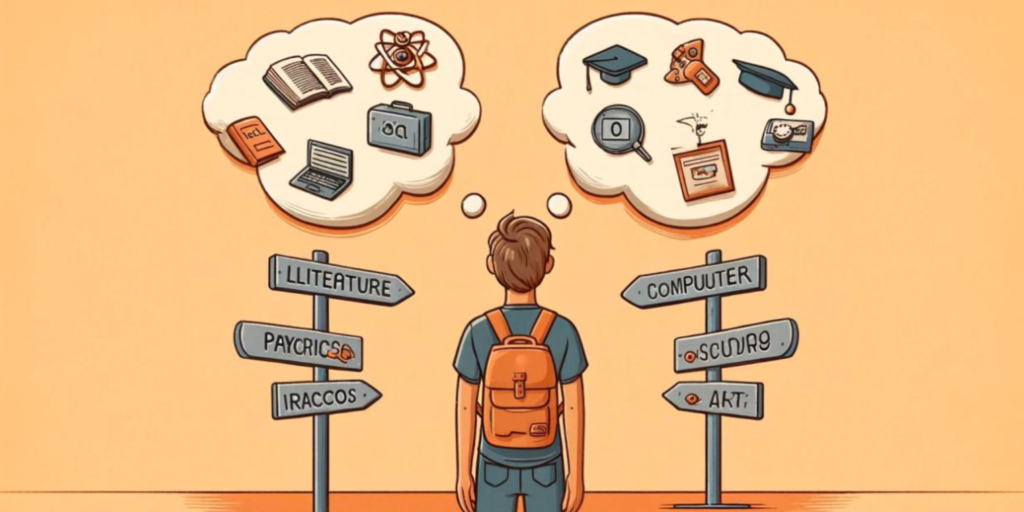
Choosing a career is one of the most significant decisions a student makes, yet it is rarely a decision that remains unchanged forever. Many students enter college with a clear vision of becoming engineers, doctors, lawyers, designers, teachers, entrepreneurs, or business professionals. However, as they progress through their academic journey, they often discover new interests, develop additional skills, gain practical experience, and encounter career opportunities they had never considered before. This natural evolution explains Why Students Change Their Career Goals During College and why such changes are increasingly viewed as signs of personal growth rather than uncertainty.
Modern higher education offers far more than classroom learning. Universities expose students to internships, research projects, student organizations, workshops, industry interactions, career counseling, entrepreneurship programs, global networking opportunities, and technological innovation. These experiences encourage students to rethink earlier assumptions while exploring professions better aligned with their strengths, values, and aspirations.
The employment landscape has also changed dramatically. Emerging industries such as artificial intelligence, renewable energy, cybersecurity, biotechnology, digital marketing, data science, sustainability, and financial technology continue creating exciting career paths that many students never knew existed before entering college. Understanding Why Students Change Their Career Goals During College helps students, parents, educators, and career advisors appreciate that career development is an evolving process rather than a single lifelong decision made immediately after high school.
College Opens Doors to New Possibilities
One of the most important reasons Why Students Change Their Career Goals During College is that higher education introduces opportunities unavailable during school years. Students interact with professors possessing industry expertise, attend seminars led by professionals, participate in research, and collaborate with classmates from diverse academic backgrounds.
These experiences broaden perspectives while encouraging curiosity about different professions. Many students discover careers that better match their interests than the occupations they originally planned.
College transforms career planning from imagination into informed exploration.
Exposure creates better decision-making.
Personal Interests Continue Evolving
Career preferences often change because people themselves continue growing. Students entering college at eighteen or nineteen years of age naturally develop new interests through education, friendships, practical experiences, and personal maturity.
Subjects initially appearing difficult sometimes become favorite areas of study after deeper exploration. Likewise, careers once considered exciting may gradually lose appeal as students understand daily responsibilities more realistically.
Recognizing Why Students Change Their Career Goals During College requires acknowledging that personal development never stops during higher education.
Growth naturally influences professional aspirations.
Academic Experiences Shape Career Decisions
College courses frequently introduce specialized knowledge beyond what students expect before admission. Exposure to emerging technologies, advanced research, interdisciplinary learning, case studies, laboratory work, design projects, and practical applications often changes career perspectives.
For example, engineering students may discover interests in data analytics, business students may become fascinated by digital marketing, or biology students may pursue biotechnology instead of traditional healthcare careers.
Academic discovery remains one of the strongest reasons Why Students Change Their Career Goals During College.
Education expands possibilities continuously.
Internships Reveal Real Workplace Experiences
Internships provide valuable opportunities for students to experience professional environments before graduation. Classroom expectations sometimes differ significantly from everyday workplace responsibilities.
Students completing internships often realize certain careers align perfectly with their personalities, while others discover that previously imagined professions may not match their interests after practical exposure.
These experiences encourage thoughtful career decisions supported by firsthand knowledge rather than assumptions.
Practical learning consistently strengthens career planning.
Experience creates valuable clarity.

Technology Creates New Career Opportunities
Rapid technological innovation continues transforming global employment. Artificial intelligence, cloud computing, cybersecurity, renewable energy, robotics, digital content creation, financial technology, sustainability, and healthcare innovation have introduced professions unavailable only a few years ago.
Many students discover these industries during college through specialized courses, guest lectures, online learning, or research opportunities. This explains another important reason Why Students Change Their Career Goals During College.
Modern careers evolve faster than traditional educational expectations.
Innovation continuously reshapes professional possibilities.
Career Counseling Provides Valuable Direction
Universities increasingly invest in career development centers supporting students through counseling sessions, aptitude assessments, resume workshops, interview preparation, and professional guidance.
Career counselors help students understand personal strengths, industry trends, and employment opportunities while encouraging informed decision-making rather than impulsive choices.
Professional guidance often helps students recognize career options better suited to their abilities and long-term aspirations.
Effective counseling strengthens confidence throughout career planning.
Discovering Hidden Talents
Many students possess abilities they never fully recognize until college provides opportunities for exploration. Leadership roles within student organizations, event management, public speaking, research projects, entrepreneurship competitions, creative activities, and volunteer work frequently reveal unexpected strengths.
These newly discovered abilities naturally influence career aspirations while encouraging students to pursue professions aligned with authentic talents.
Understanding Why Students Change Their Career Goals During College includes appreciating the importance of self-discovery.
Hidden potential often appears through experience.
Friends and Professional Networks Influence Career Thinking
College creates environments where students interact with classmates pursuing diverse academic disciplines and professional ambitions. Conversations with peers often introduce unfamiliar industries, educational pathways, internships, certifications, and career opportunities.
Networking with professors, alumni, recruiters, and industry experts further expands professional awareness while encouraging broader career exploration.
Positive relationships frequently inspire students to reconsider previously limited career expectations.
Collaboration broadens professional perspectives.
Changing Job Market Demands
The global employment landscape continues evolving because of automation, digital transformation, environmental sustainability, globalization, and changing consumer behavior. Some industries experience rapid expansion while others become increasingly competitive or technologically transformed.
Students observing these developments often adjust career goals according to emerging opportunities and future workforce demand.
Rather than representing indecision, such adaptability demonstrates thoughtful career planning.
Career flexibility supports long-term professional resilience.
Financial Considerations Affect Career Choices
Economic realities also influence career planning. Tuition costs, expected salaries, employment stability, geographic mobility, and long-term financial security frequently become more important as students approach graduation.
While passion remains valuable, many students seek careers balancing personal fulfillment with practical financial considerations.
Understanding financial expectations encourages realistic career decisions supporting long-term well-being.
Responsible planning strengthens future stability.
Mental Well-Being and Work-Life Balance
Modern professionals increasingly recognize that career satisfaction involves more than salary alone. Students now evaluate workplace culture, flexibility, mental well-being, remote work opportunities, professional growth, and personal fulfillment when considering future careers.
Some occupations initially appearing prestigious may involve demanding lifestyles incompatible with individual priorities.
College encourages students to evaluate broader definitions of success beyond traditional expectations.
Balanced careers promote lasting satisfaction.

Entrepreneurship Changes Career Perspectives
Universities actively encourage innovation through entrepreneurship programs, startup incubators, business competitions, and mentorship initiatives. Many students who originally planned traditional employment become interested in launching businesses or freelance careers.
Entrepreneurial experiences develop creativity, leadership, problem-solving, financial literacy, and independent thinking while introducing alternative professional pathways.
This growing entrepreneurial culture contributes significantly to Why Students Change Their Career Goals During College.
Innovation creates exciting possibilities.
Study Abroad and Global Exposure
International exchange programs, multicultural classrooms, global internships, and overseas collaborations expose students to diverse educational systems and career opportunities.
Global experiences frequently inspire students to pursue international business, diplomacy, sustainable development, research, technology, education, or humanitarian careers they had never previously considered.
Exposure to different cultures broadens both personal understanding and professional ambition.
Global perspectives encourage career exploration.
Overcoming Fear of Career Change
Some students hesitate to modify career goals because they fear disappointing family members or wasting previous educational efforts. However, thoughtful career adjustments often represent informed growth rather than failure.
Changing direction after gaining new knowledge demonstrates maturity, adaptability, and willingness to pursue meaningful professional fulfillment.
Recognizing Why Students Change Their Career Goals During College helps reduce unnecessary anxiety surrounding career evolution.
Flexible thinking supports better outcomes.
Common Mistakes Students Should Avoid
Although career exploration is valuable, students should avoid making impulsive decisions based solely on temporary trends, peer influence, or unrealistic salary expectations.
Researching industries carefully, seeking mentorship, gaining internship experience, evaluating personal interests, and understanding long-term responsibilities all contribute to stronger career choices.
Balanced decision-making reduces unnecessary uncertainty while improving future satisfaction.
Thoughtful planning consistently creates better results.
Building Transferable Skills During College
Regardless of career direction, transferable skills remain valuable across virtually every profession. Communication, teamwork, leadership, digital literacy, problem-solving, analytical thinking, adaptability, and emotional intelligence strengthen employability regardless of industry.
Students developing these competencies remain better prepared when career goals evolve during college.
Transferable skills provide confidence throughout changing professional journeys.
Continuous learning strengthens career flexibility.
Why Career Changes Can Lead to Greater Success
Students often assume changing career goals represents failure or lack of commitment. In reality, many successful professionals discovered their ideal careers only after exploring multiple possibilities during higher education.
Career development rarely follows perfectly predictable paths. Instead, meaningful exploration often produces stronger long-term satisfaction, higher motivation, and better alignment between personal strengths and professional responsibilities.
Adaptability increasingly defines modern career success.
Growth frequently begins through change.
The Future of Career Planning
Future career planning will likely become even more flexible as artificial intelligence, digital transformation, sustainability, healthcare innovation, and global collaboration continue reshaping employment.
Students entering college today will probably experience multiple career transitions throughout their professional lives. Developing adaptability, curiosity, resilience, and continuous learning habits therefore becomes more valuable than preparing for only one occupation.
Career planning now represents an ongoing journey rather than a single lifelong decision.
Preparation creates opportunity.
Conclusion
Understanding Why Students Change Their Career Goals During College helps students recognize that career evolution is a natural part of personal and professional development. Through academic learning, internships, technology, mentorship, networking, self-discovery, entrepreneurship, and practical experience, students gain deeper insight into careers that genuinely match their strengths, interests, and long-term aspirations.
Whether exploring Career Goals During College, Student Career Planning, Career Exploration, Career Decision Making, or College Career Development, students should embrace thoughtful exploration while remaining open to new opportunities.
The most successful careers are rarely built upon rigid plans alone. Instead, they grow through continuous learning, meaningful experiences, informed decisions, and the confidence to adapt when new possibilities emerge. By viewing career changes as opportunities for growth rather than setbacks, students build stronger foundations for rewarding, resilient, and future-ready professional lives.